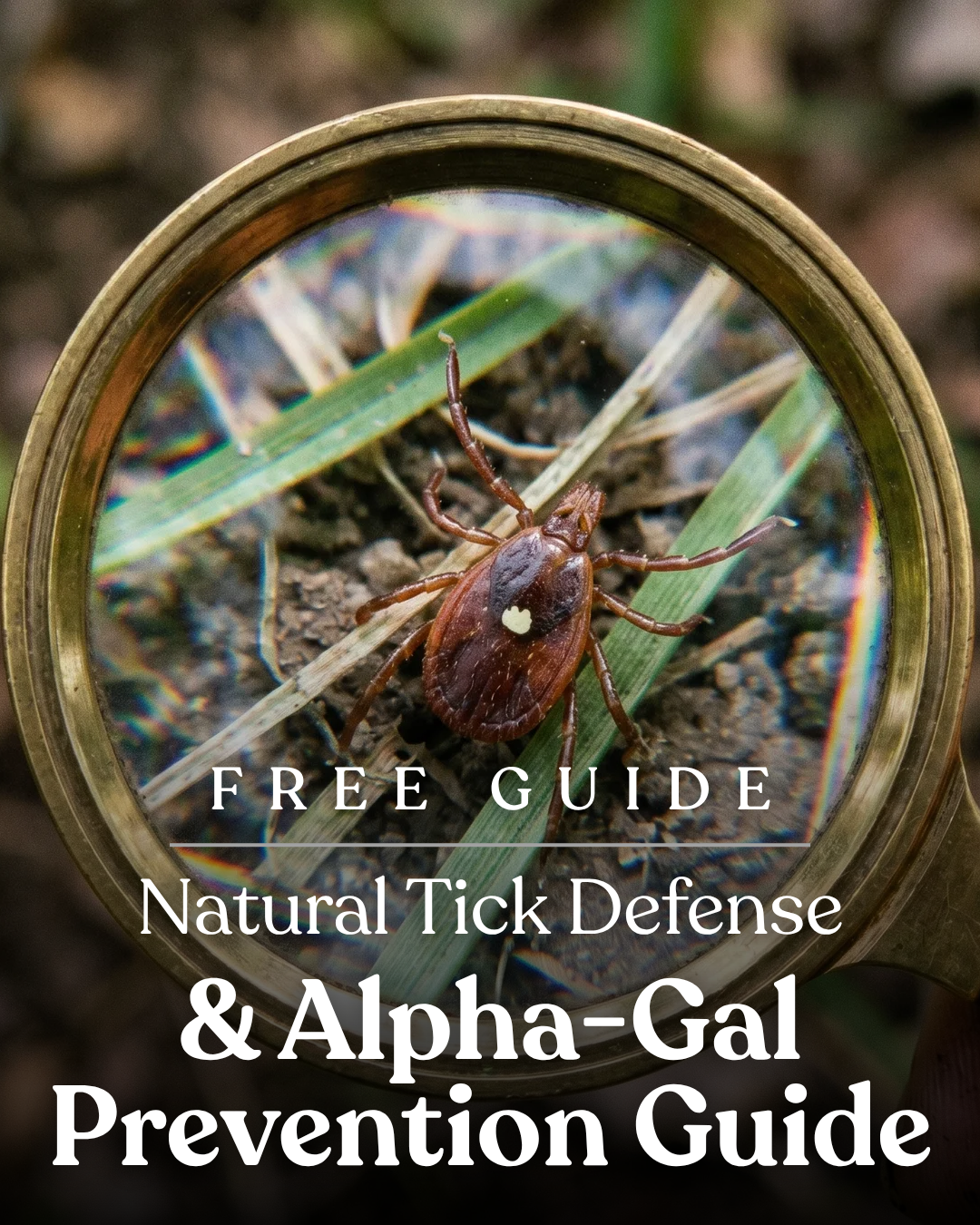

Field Guide No. 1 · Outdoor Season 2026
Natural Tick Defense & Alpha-Gal Prevention Guide
A seasonal reference for recognizing Lone Star ticks, lowering exposure around the home, using practical natural repellents, handling bites correctly, and understanding the warning signs people often connect too late.
This guide is built for prevention first. The goal is not panic. It is earlier recognition, a more thoughtful home strategy, and a better plan for what to do before and after outdoor exposure.
Tick exposure is no longer just a backcountry problem
This guide is built to help you prevent tick exposure before it happens, recognize the species that deserve closer attention, and respond more confidently if a bite occurs.
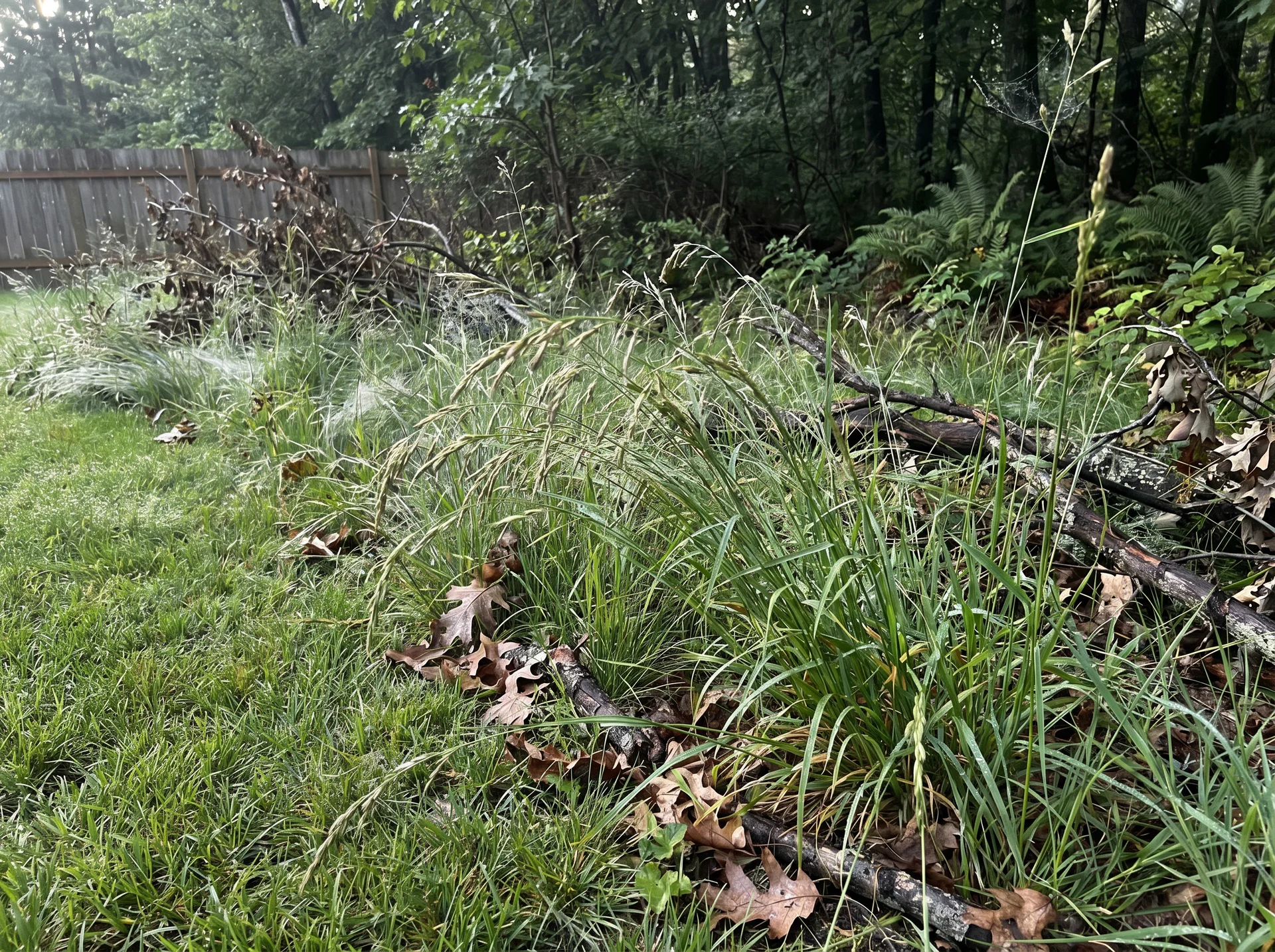
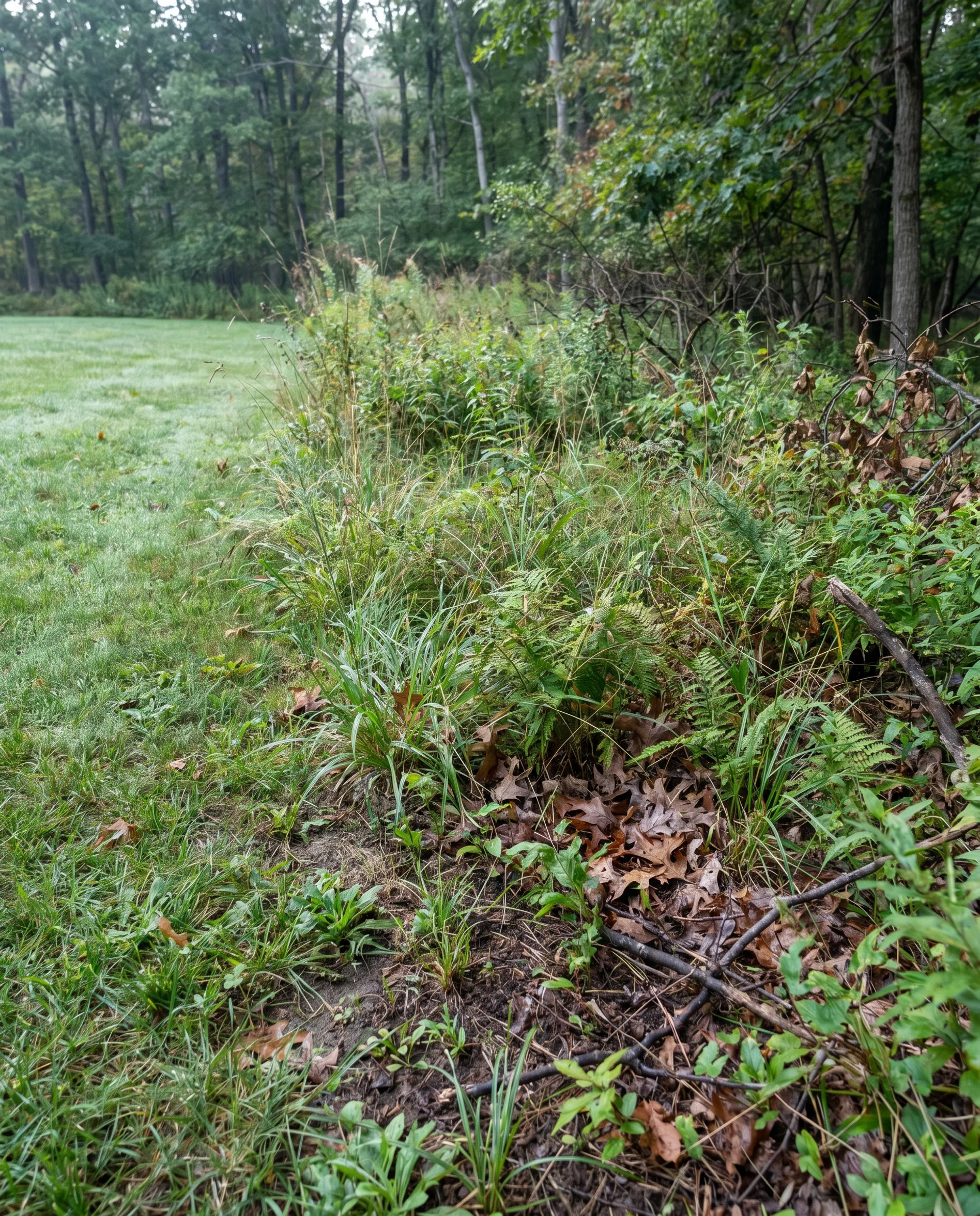
Ticks are no longer just a deep-woods concern. Many encounters happen much closer to home: along fence lines, in leaf litter, around pets, beside garden beds, and in the overgrown edges where lawn meets woods.
What makes this topic more urgent is that not every bite points to the same concern. Some ticks are tied to more familiar infections. But the Lone Star tick has drawn growing attention because it has been associated with Alpha-Gal syndrome, a delayed allergic response to mammalian foods and ingredients that can affect how someone eats and lives long after the bite itself is forgotten.
That delayed timing is part of what makes the pattern so easy to miss. Someone can react hours after eating beef, pork, lamb, gelatin, or other mammal-derived ingredients and never think to connect it to a past tick bite. A good guide helps people make that connection sooner.
The smartest response is not panic. It is earlier prevention, better recognition, and a simple plan for what to do before and after exposure.
The tick most people need to recognize sooner
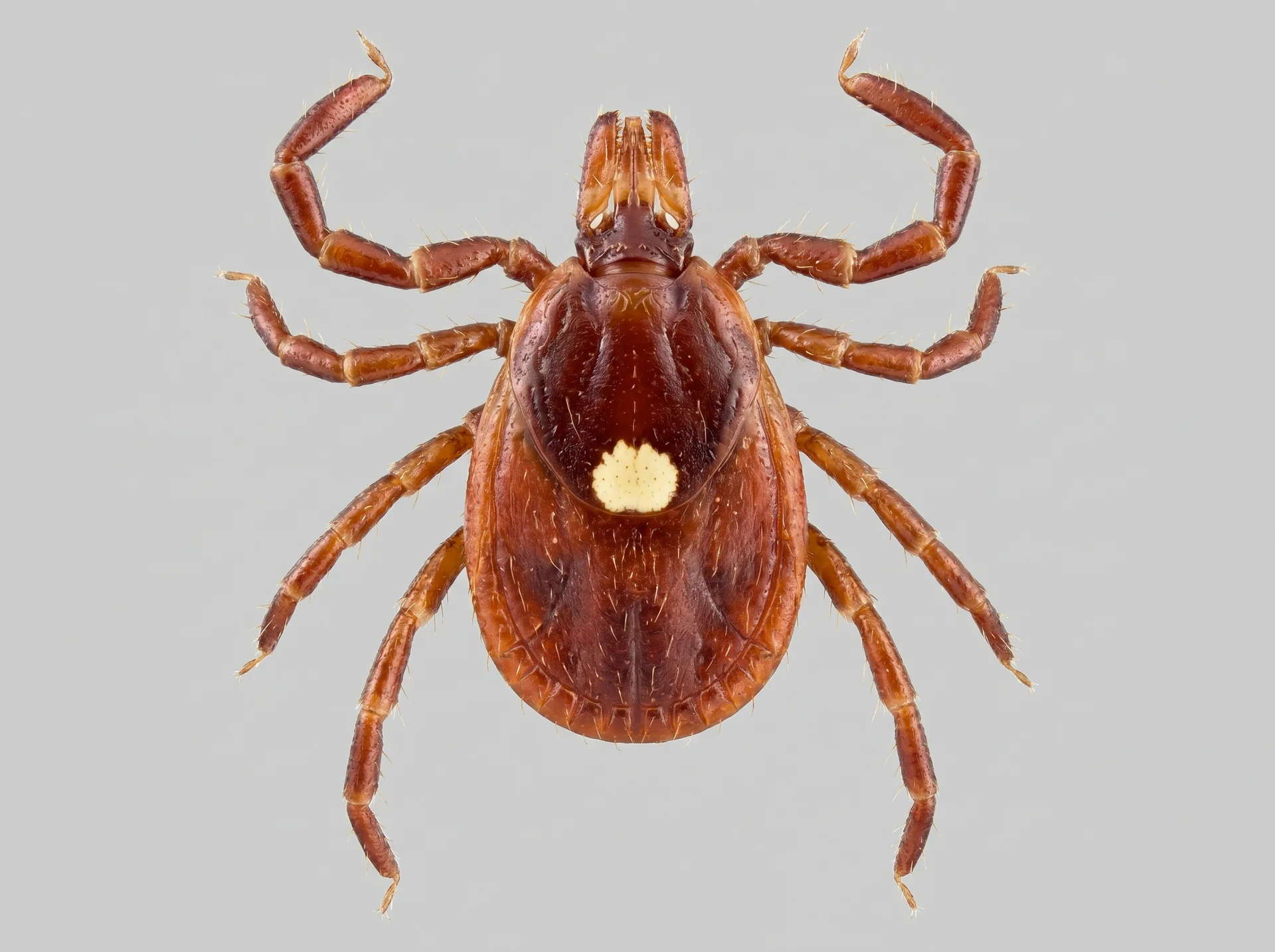
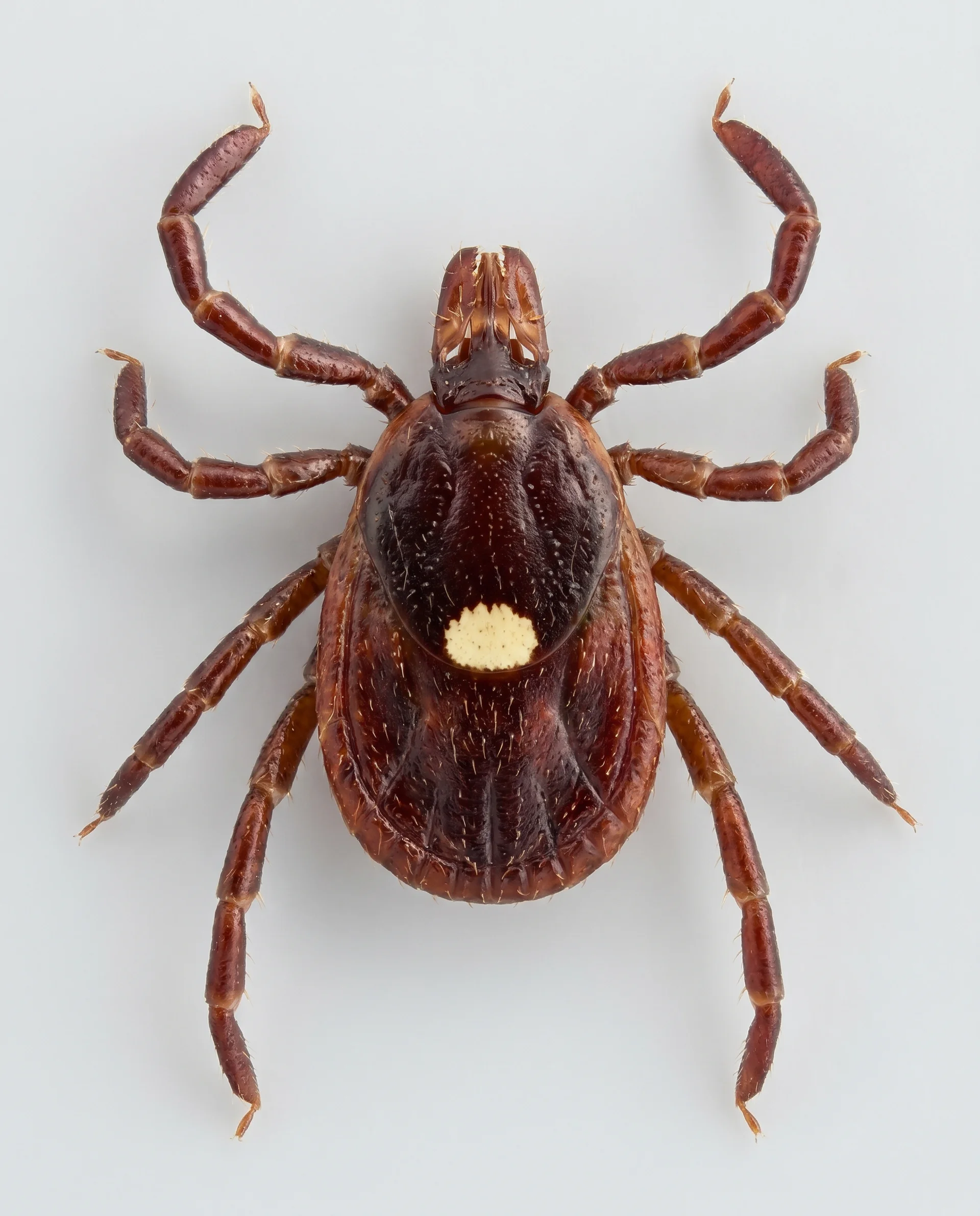
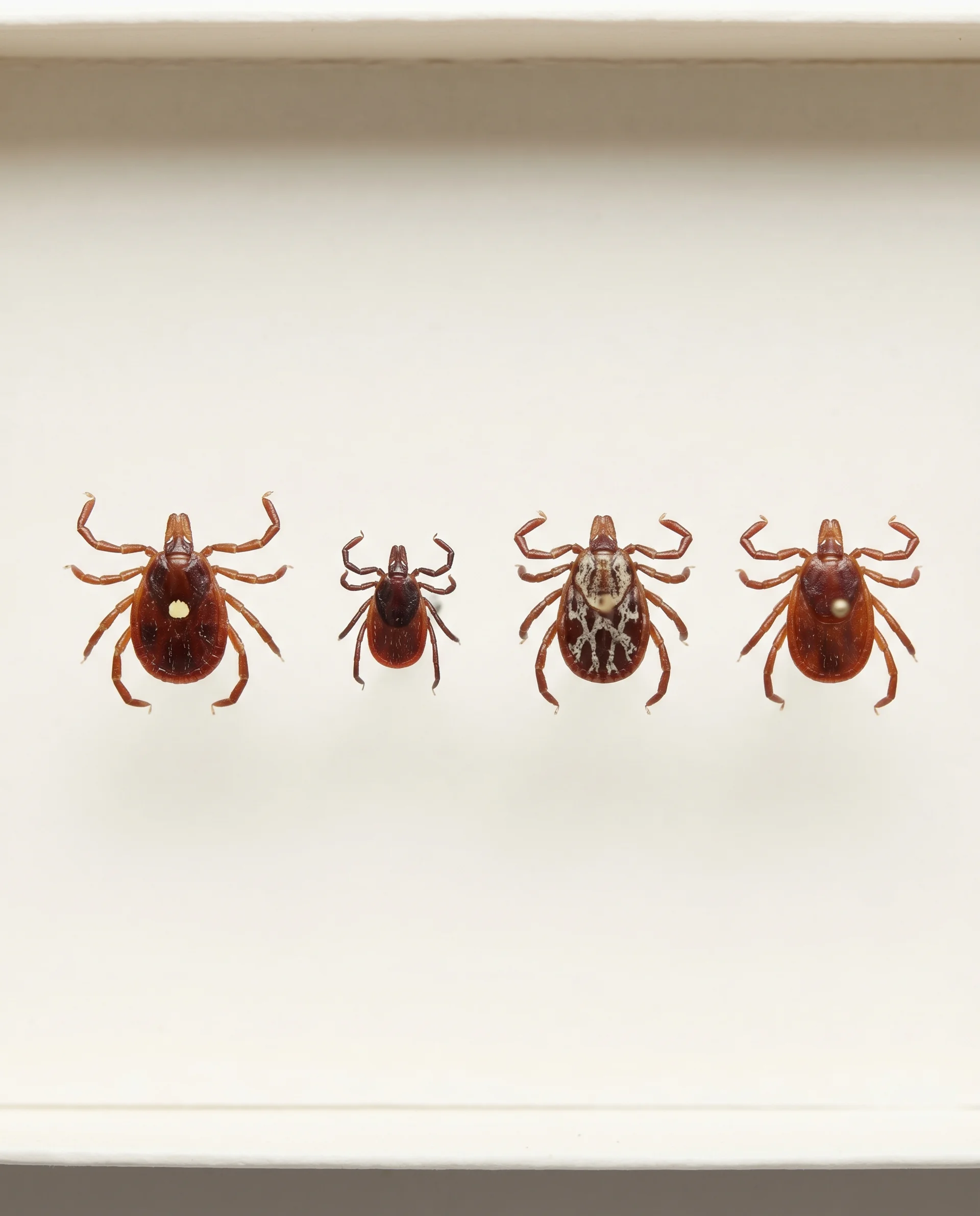
If there is one species people should be able to spot with more confidence, it is the Lone Star tick. It is active, persistent, and visually distinct enough that good images can make a real difference in whether someone realizes they may need to pay attention later.
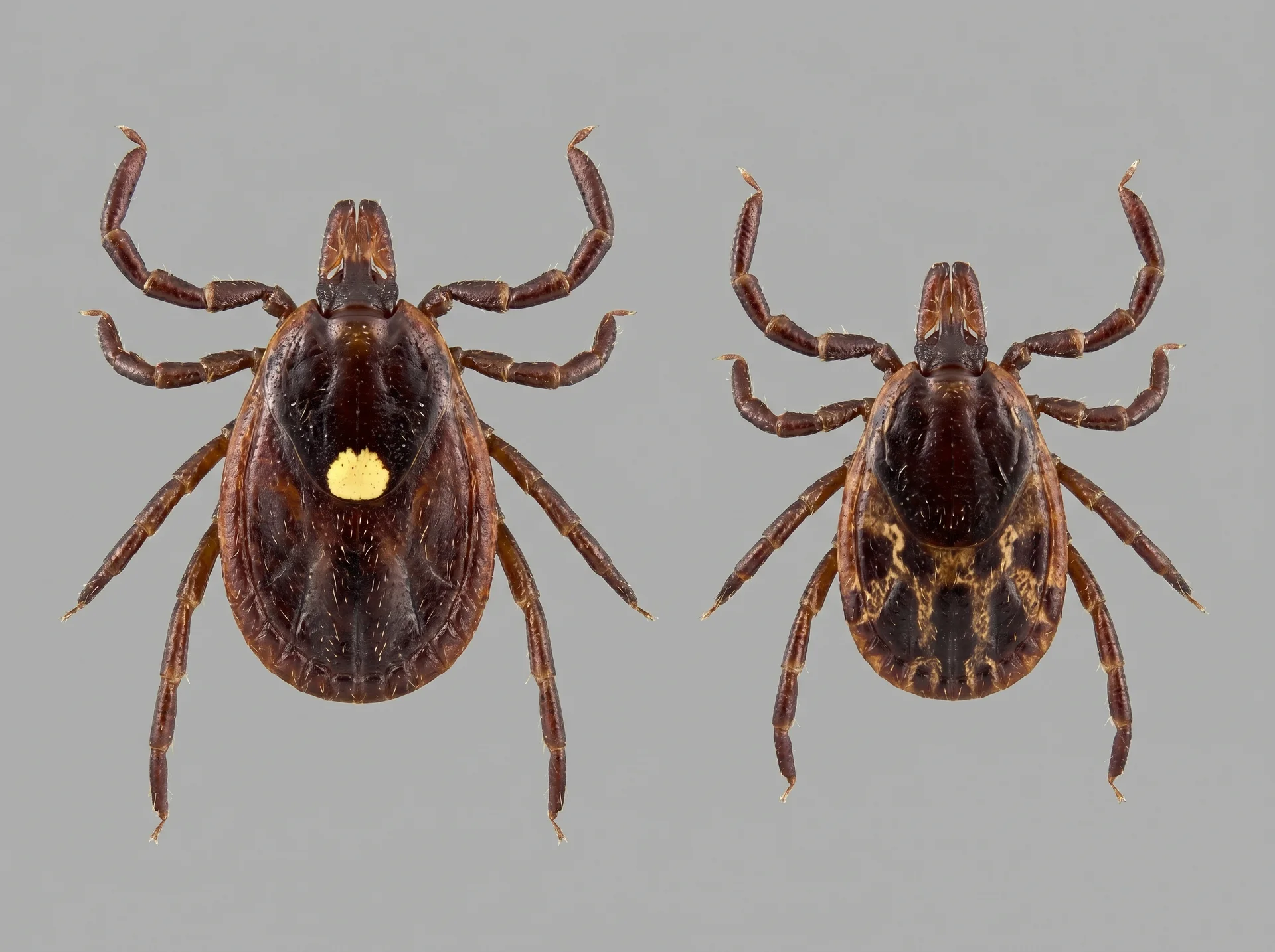
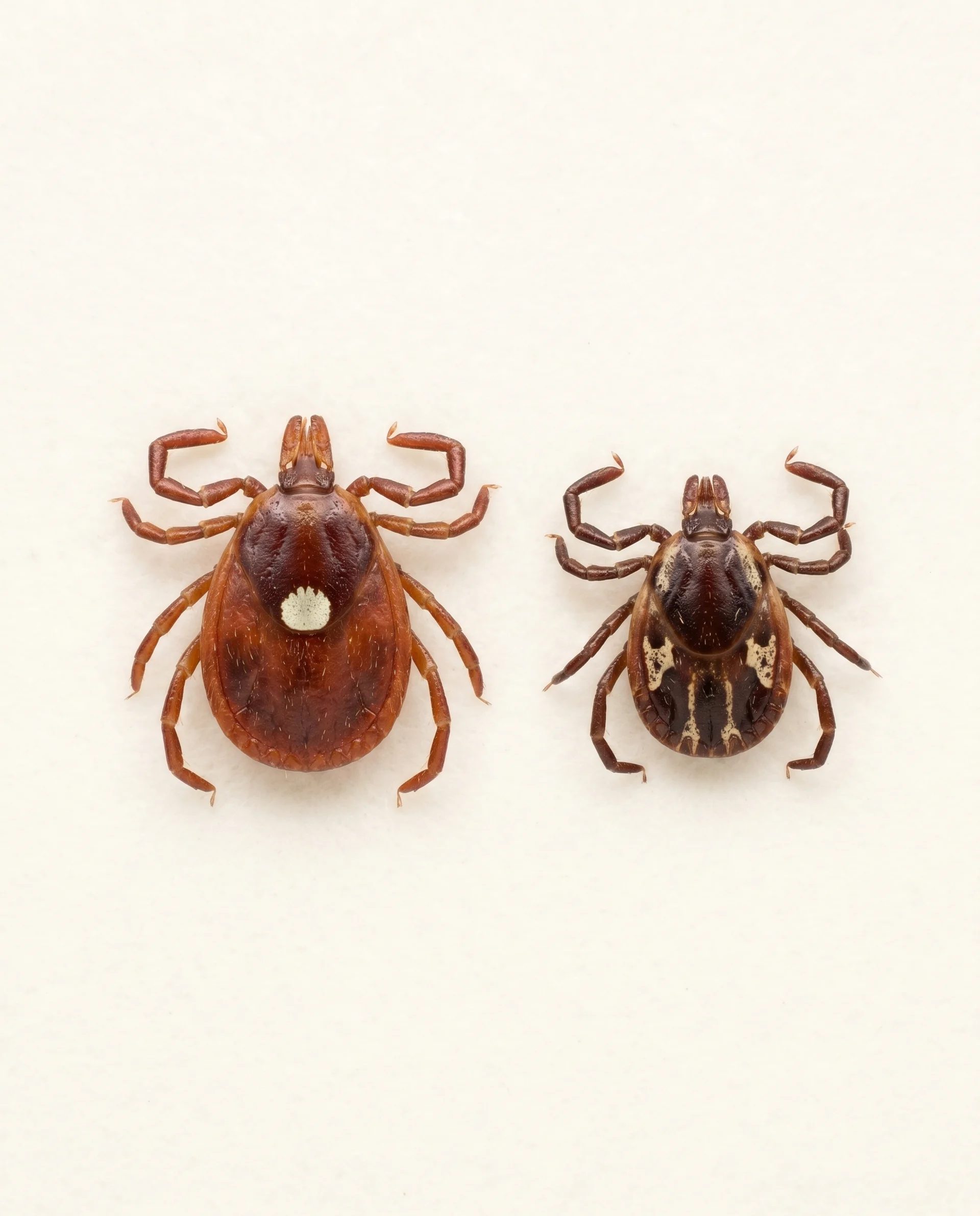
The female Lone Star tick is best known for the single light-colored spot on her back. Males do not usually show that same single dot. Instead, they often have lighter markings around the edges. Both can be aggressive seekers compared with the more passive mental picture many people have of ticks.
Usually shows one pale dot centered on the back, which is the easiest visual cue for most readers to remember.
Often shows lighter edge markings instead of one centered spot, which is why side-by-side visuals help so much.
This is the species most commonly discussed in connection with Alpha-Gal syndrome, so recognition carries longer-term value.
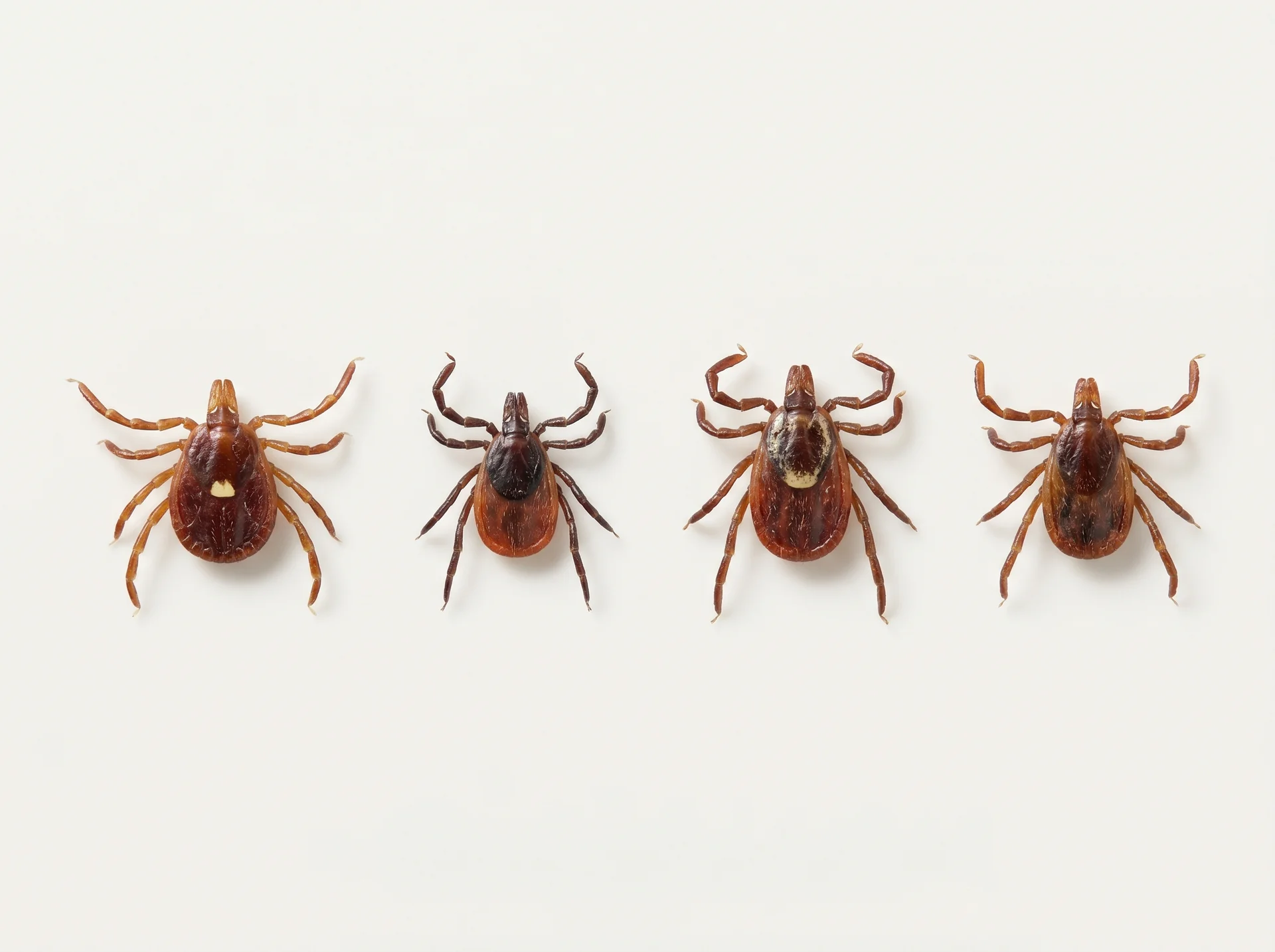
Species comparison at a glance
| Tick | What to notice | Main concern |
|---|---|---|
| Lone Star tick | Female spot, male edge markings, active host-seeking behavior | Alpha-Gal concern, plus other bite-related issues |
| Blacklegged tick | Smaller, darker legs, usually less visually bold than Lone Star | More commonly associated with Lyme disease and related infections |
| American dog tick | Larger body, more visible patterned back | Different disease profile, visually more ornate |
| Brown dog tick | More uniform reddish-brown appearance | Often linked more closely to dogs and indoor survival |
How people actually reduce exposure without turning the yard into a chemical zone
Most families do not want to soak every outdoor surface in harsh pesticides. The better approach is to make the home environment less attractive to ticks in the exact places people, pets, and kids spend the most time.
Ticks like humidity, cover, and traffic from animal hosts. That means the shaded border, the leaf pile, the brushy edge, the decorative stone line, and the forgotten patch of taller grass are often more important than the middle of a sunny lawn.
-
1
Use dry perimeter barriers
Gravel, wood chips, or another dry material can help separate lawn from higher-risk wooded edges.
-
2
Remove leaf litter and debris
Damp organic buildup gives ticks cover and keeps humidity up near the ground.
-
3
Store wood thoughtfully
Keep woodpiles dry, elevated, and farther from the house if possible.
-
4
Think about host traffic
Deer, mice, and pets can all change the exposure picture around the home.
-
5
Dress for inspection, not just comfort
Light clothing, taller socks, and quick post-outdoor checks make ticks easier to catch.


Layered prevention always works better than relying on one miracle spray or one perfect product.
The natural repellent recipes people actually want to keep using
Many homemade repellents fail because they are either unpleasant to wear, too weak to matter, or complicated enough that no one remakes them. The goal here is something more practical: simple blends people can actually use consistently.
Recommended supplies for this section: spray bottles.
1. Everyday outdoor spray
Ingredients
- 4 oz distilled or filtered water
- 2 oz alcohol-free witch hazel
- 1 tablespoon vegetable glycerin
- 20 drops cedarwood essential oil
- 15 drops lemon eucalyptus essential oil
- 10 drops geranium essential oil
- 5 drops rosemary essential oil
How to use
- Shake before each use.
- Apply to exposed skin and outer clothing.
- Reapply every few hours during heat, sweat, or long outdoor time.
2. Clothing and boot treatment
Ingredients
- 8 oz white vinegar
- 40 drops cedarwood essential oil
- 30 drops lemongrass essential oil
- 20 drops peppermint essential oil
How to use
- Spray onto boots, socks, cuffs, and outdoor gear.
- Let dry fully before wearing.
- Refresh after washing or heavy weather exposure.
3. Sensitive-skin oil blend
Ingredients
- 4 oz fractionated coconut oil or sweet almond oil
- 10 drops lavender essential oil
- 8 drops cedarwood essential oil
- 5 drops vanilla oleoresin or vanilla CO2 extract
How to use
- Apply lightly to ankles, wrists, neck, and behind ears.
- Best for shorter outdoor windows or more sensitive skin.
- Reapply every 3 to 4 hours.
4. Yard-edge perimeter spray
Ingredients
- 1 gallon water
- 2 tablespoons liquid castile soap
- 1 oz cedarwood essential oil
- 1/2 oz peppermint essential oil
- 1/2 oz rosemary essential oil
How to use
- Apply at borders, fences, and transition zones.
- Use in the cooler parts of the day.
- Repeat every 2 to 3 weeks during active season.
5. Dog bandana or fabric-collar refresh oil
Ingredients
- 2 tablespoons fractionated coconut oil
- 4 drops cedarwood essential oil
- 3 drops lavender essential oil
- 2 drops geranium essential oil
How to use
- Use on a bandana or fabric collar only.
- Do not apply near eyes, nose, or irritated skin.
- Avoid essential oil blends on cats unless specifically cleared by a veterinarian.
Natural does not automatically mean low-risk for every person, child, or pet. Patch test first and use extra care with sensitive skin, pregnancy, and medically complex situations.


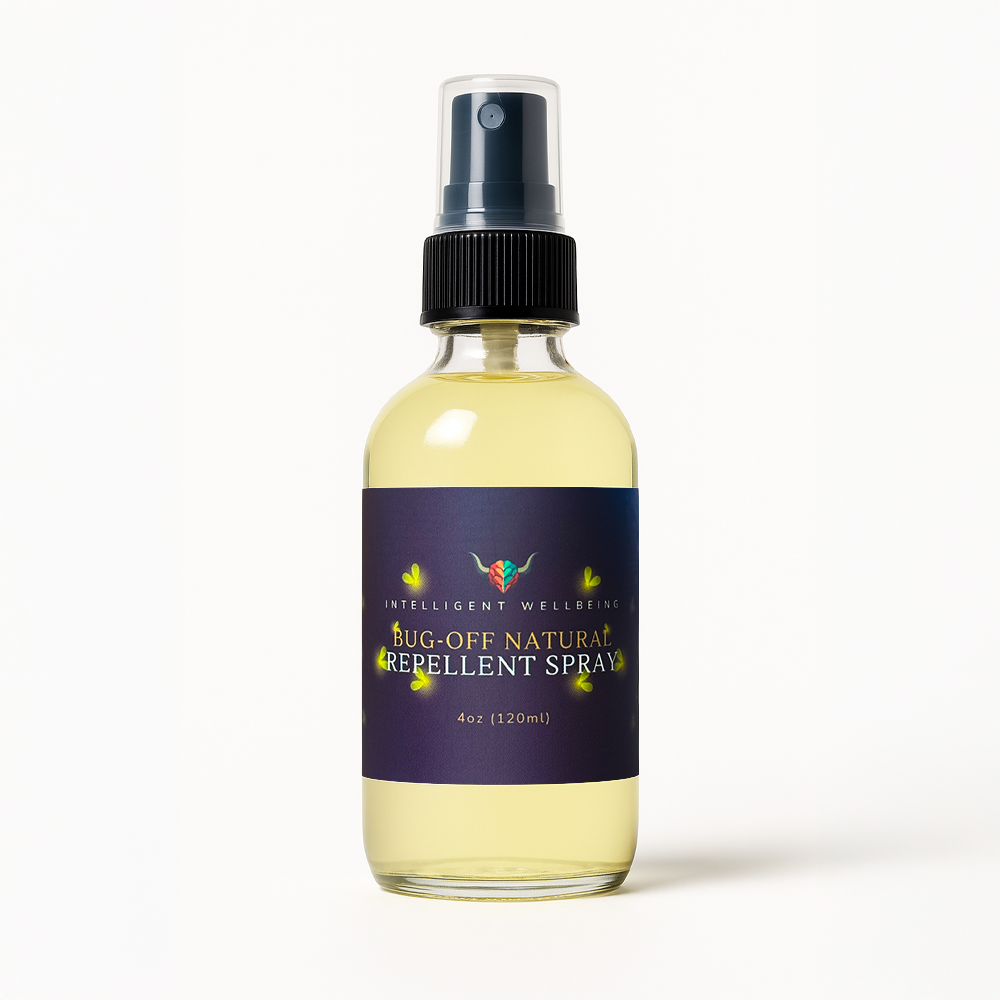
If you do not want to mix your own, Bug-Off is coming back for the season.
For people who want a grab-and-go option instead of measuring oils and bottles at home, our Bug-Off Natural Repellent Spray offers a simpler seasonal routine.
Ingredients: Reverse osmosis water, citronella essential oil, lemon eucalyptus essential oil, geranium essential oil, clove essential oil, fractionated coconut oil.
Pre-orders are open now. Bug-Off is scheduled to ship on 5/1.
Pre-Order Bug-Off SprayWhat to do right after finding a tick
No prevention routine is perfect, which is why the post-exposure plan matters so much. A calm, quick response is more useful than any dramatic home remedy.
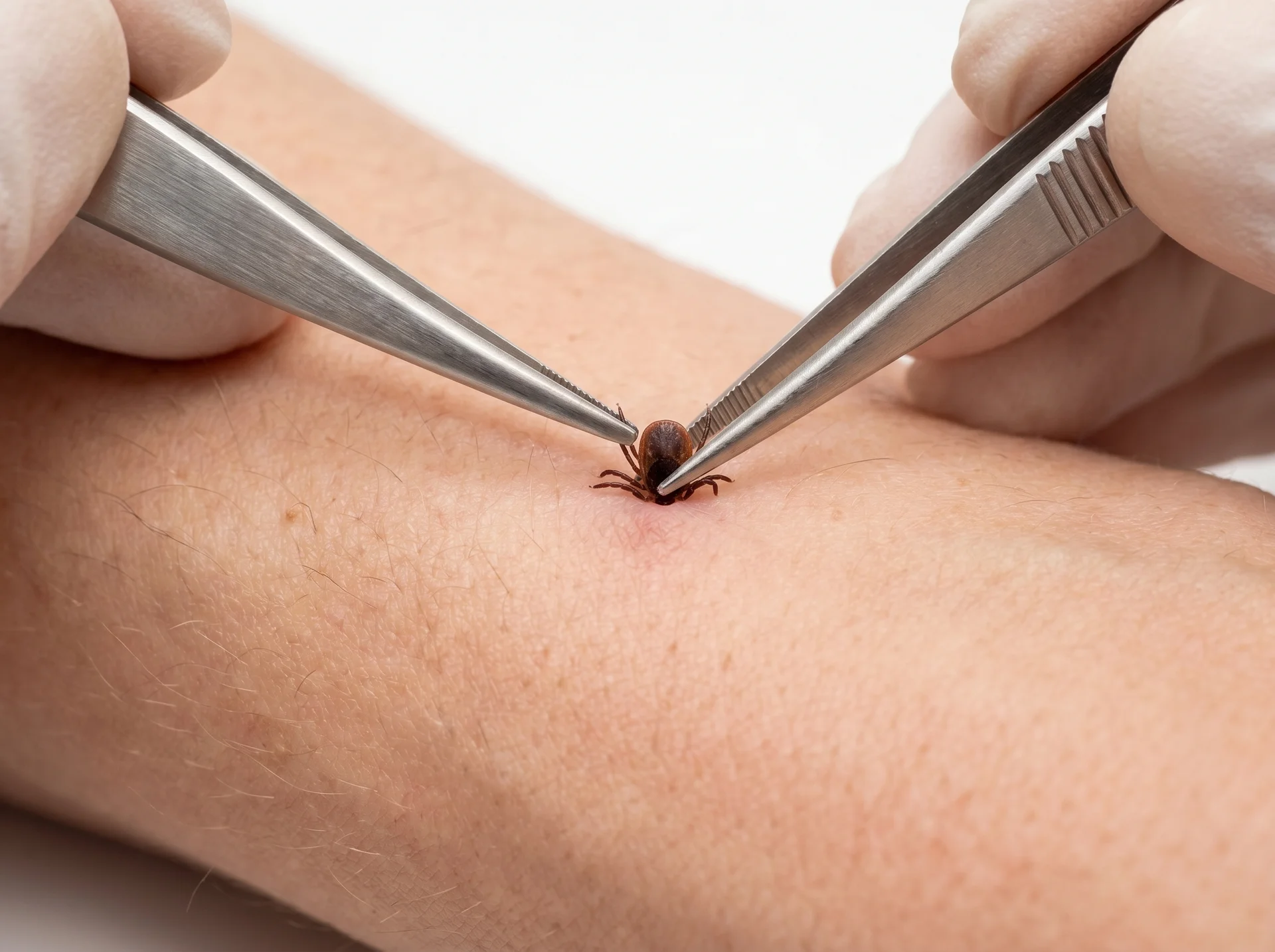
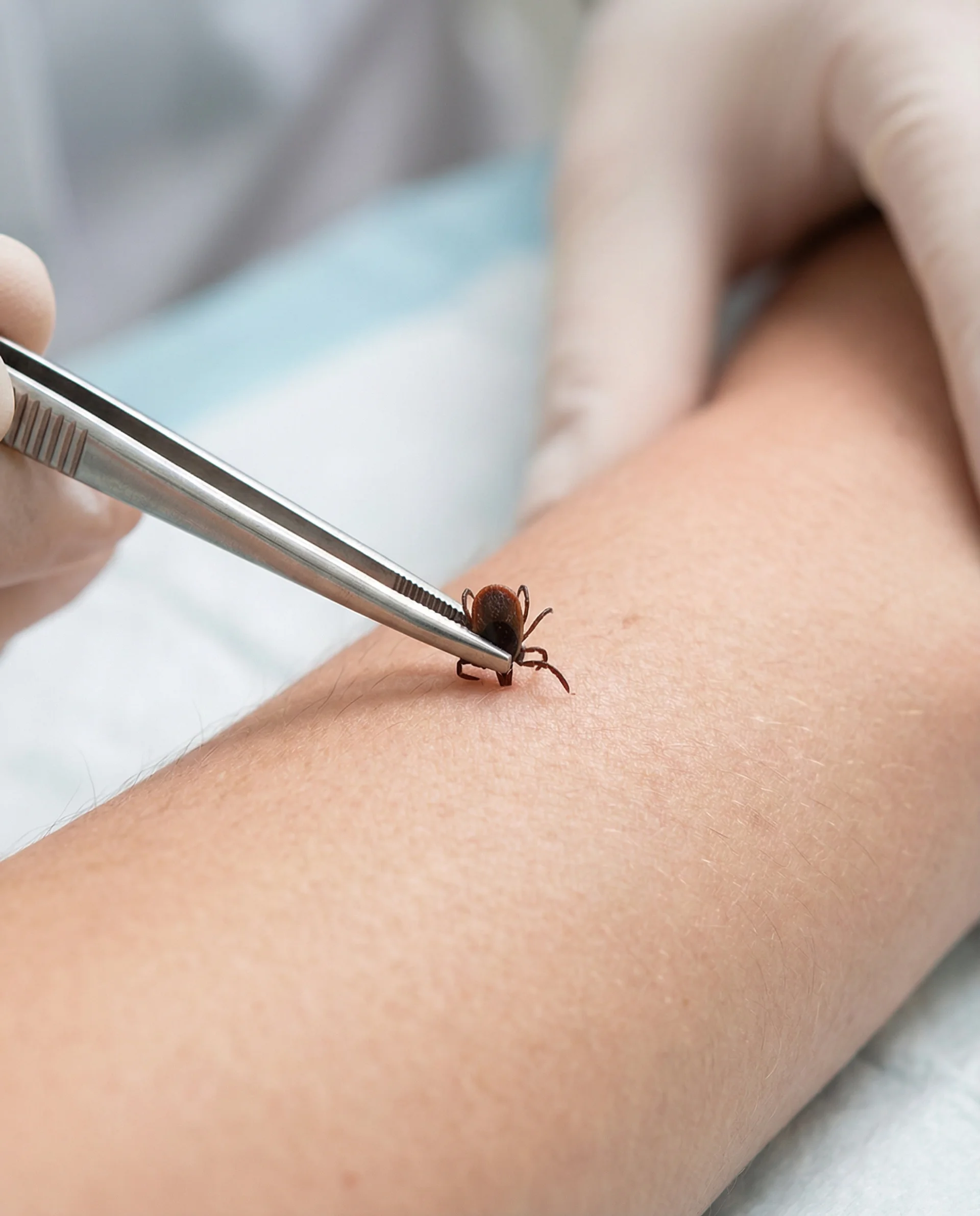
- Use fine-tipped tweezers. Grab the tick as close to the skin as possible.
- Pull upward steadily. Do not twist, jerk, burn, or coat the tick in oils.
- Clean the area. Soap and water is fine, or a skin-safe antiseptic if you prefer.
- Save the tick if possible. A sealed bag or container plus a note with the date and bite location can help later.
Body areas people forget to check: scalp and hairline, behind the ears, underarms, waistband, groin area, behind knees, ankles, and between toes.
The Alpha-Gal symptoms people often connect too late
What makes Alpha-Gal especially confusing is the timing. Unlike a classic immediate allergy, symptoms can show up hours after a meal. Someone may react after dinner and never suspect the burger, the gelatin, or the mammal-derived ingredient they ate earlier.
People may notice hives, flushing, swelling, stomach pain, nausea, diarrhea, throat tightness, wheezing, or other allergic symptoms after mammalian foods and ingredients. The exact pattern varies from person to person, which is one reason self-diagnosis is unreliable.
If the pattern sounds familiar, ask better questions
- Could this be Alpha-Gal syndrome rather than a standard food sensitivity?
- Should Alpha-Gal IgE testing be ordered specifically?
- Are there foods, supplements, medications, or topical ingredients that need review while symptoms are being evaluated?
If symptoms are severe, rapidly progressing, or feel like anaphylaxis, seek urgent medical care. This guide is meant to help people recognize patterns earlier, not to replace professional evaluation.