
Free Drop No. 3 · Spring 2026
Made of Real Things
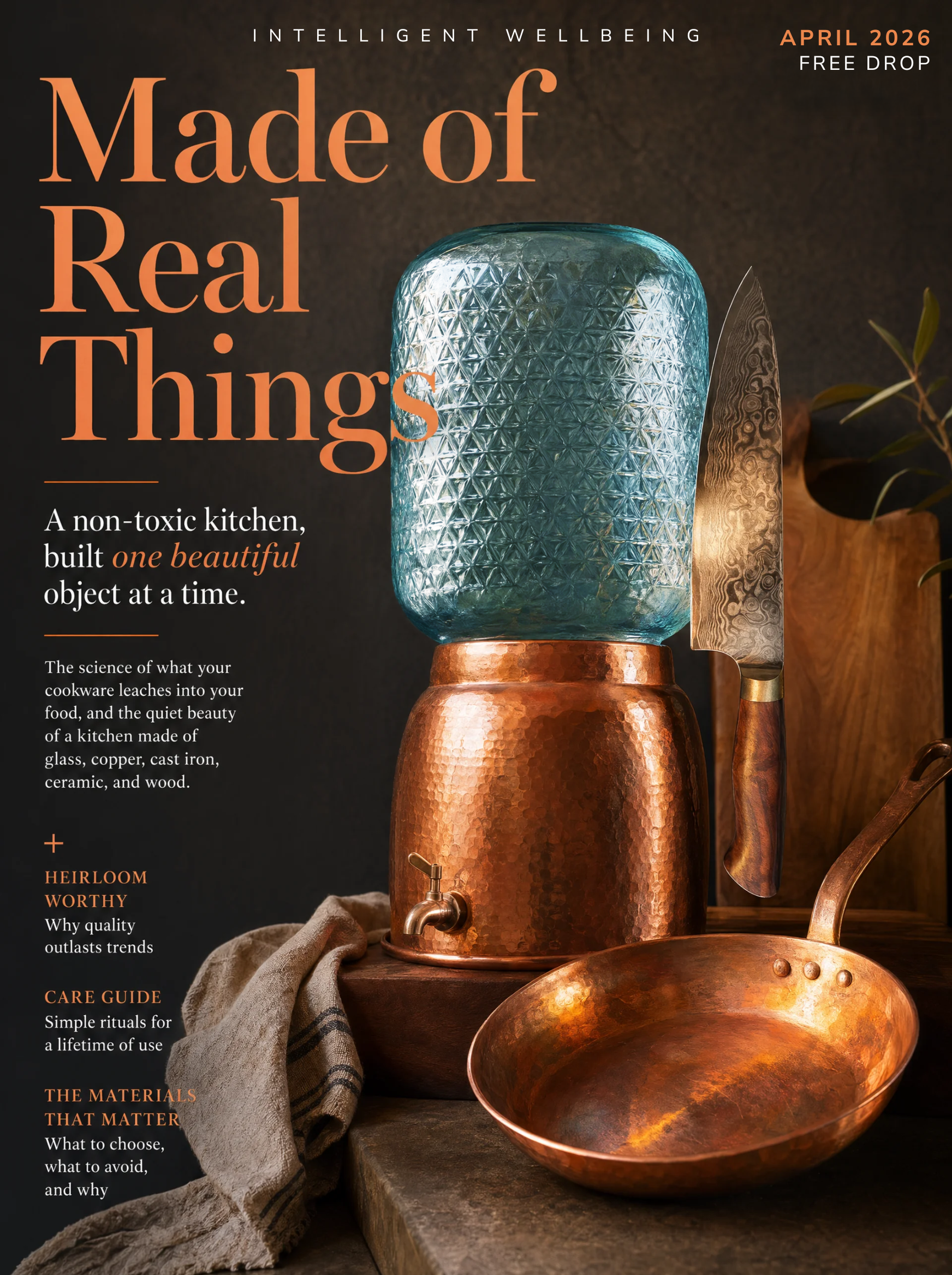
A non-toxic kitchen, built one beautiful object at a time. The science of what your cookware is leaching into your food, and the quiet, Pinterest-worthy power of a kitchen made of glass, copper, cast iron, ceramic, and wood.
The most beautiful kitchens are also the safest kitchens. The materials that built kitchens for centuries, copper, cast iron, ceramic, glass, and wood, are the same materials that do not leach plastic, forever chemicals, or heavy metals into the food you make for the people you love. The aesthetic and the science have been on the same side the whole time.
The aesthetic kitchens on Pinterest are not just pretty. They are also the kitchens that are not poisoning anyone.
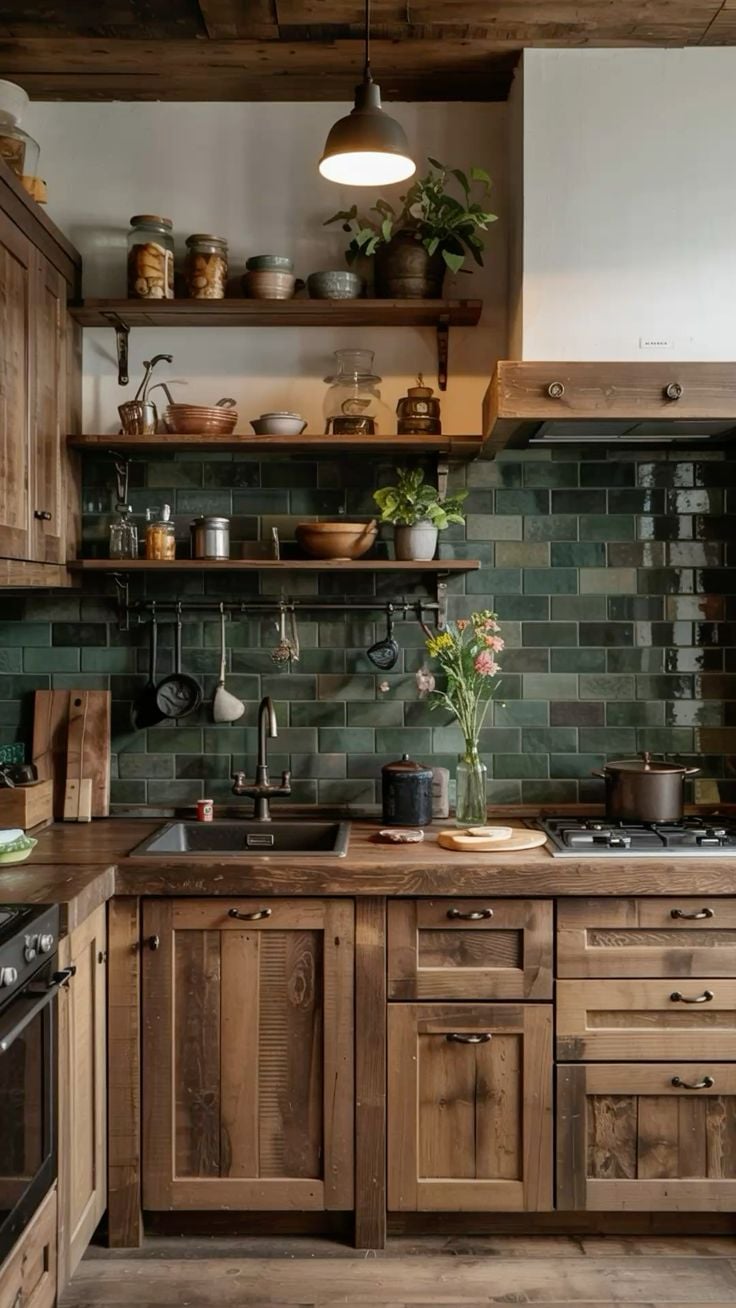
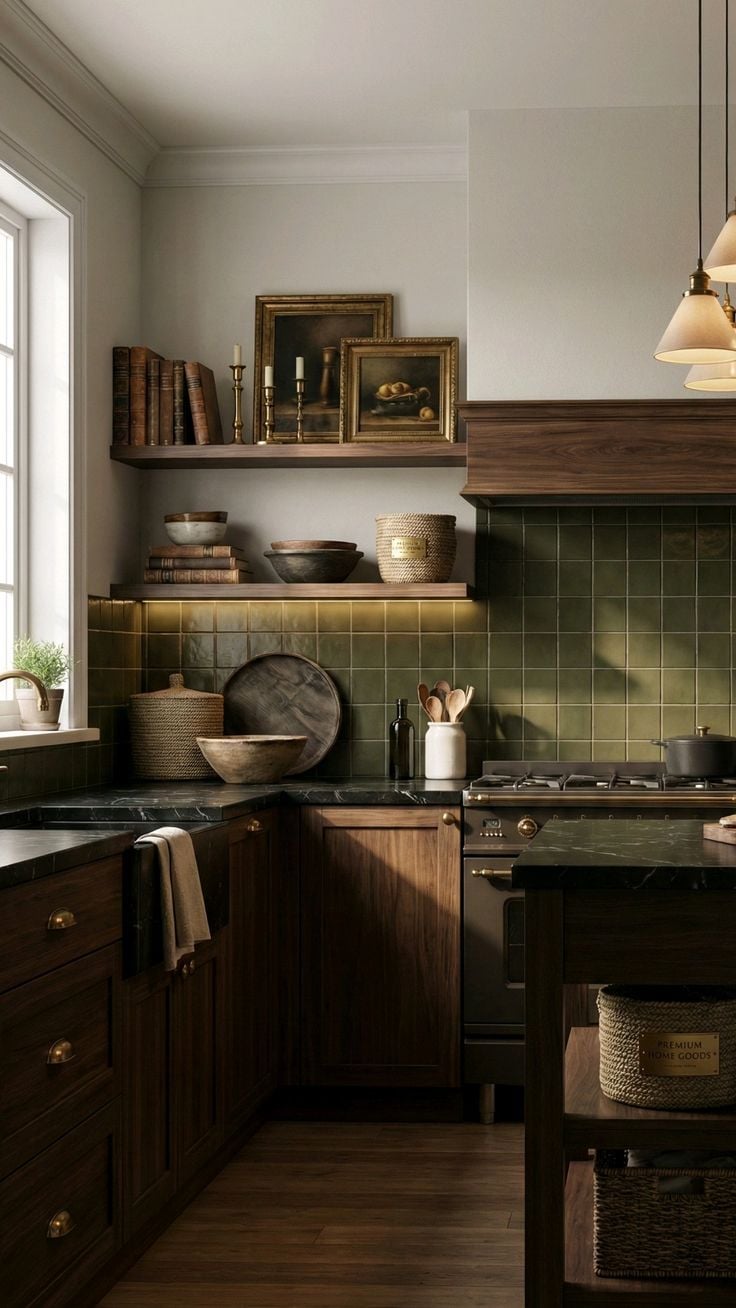
Open any inspiration board for a dream kitchen and the same objects appear over and over. A copper kettle on the stove. A wooden cutting board. A cast iron skillet. A glass French press. A Le Creuset dutch oven in a color so saturated it looks like it was painted by hand. None of this is a coincidence. The materials people instinctively reach for to make a kitchen beautiful are the exact materials that have safely held food and water for thousands of years.
Modern kitchens, on the other hand, are quietly full of materials that did not exist a hundred years ago. Non-stick coatings made from synthetic chemicals. Plastic spatulas, cutting boards, and food storage. Cheap aluminum cookware. Painted enamel of unknown origin. Every one of these surfaces touches food. Every one of them, under heat or wear or simple time, gives a little of itself back.
The convenience is real. So is the cost. Every meal is a small, repeated exposure, and what you cook in matters at least as much as what you cook. The food can be perfect. The pan can ruin it.
There is a quiet movement of people noticing this. Slowly, deliberately, they are rebuilding their kitchens around heritage materials. Not because they are nostalgic. Because the science finally caught up to what the aesthetic always knew. A copper kettle is beautiful, and it is also safer than the plastic electric one. A cast iron skillet is beautiful, and it is also non-stick without any of the chemistry. The Pinterest kitchen is the non-toxic kitchen. They turn out to be the same kitchen.
The food can be perfect. The pan can ruin it. What you cook in matters at least as much as what you cook.
PFAS, microplastics, aluminum, and lead. The four quiet visitors at almost every modern dinner.
The CDC measured PFAS, the family of forever chemicals used in non-stick coatings and stain-resistant finishes, in the blood of 97 percent of Americans tested. Not 7 percent. Ninety-seven. These compounds were originally synthesized for industrial applications, then used liberally on cookware, food packaging, and water-resistant fabrics, before anyone seriously studied what happens when they end up inside a human. The current science links them to liver effects, immune disruption, hormone interference, and elevated risk of certain cancers. They do not break down in the environment. They do not break down in the body. That is what forever means.
Microplastics are the newer headline. A 2024 study published in Environmental Science and Technology found that the average person ingests an estimated 50,000 to 100,000 microplastic particles per year, much of it shed from plastic kitchenware: cutting boards, spatulas, storage containers, takeout cups, and the soft components inside electric kettles and coffee makers. A single black plastic spatula in a hot pan can release millions of microplastic particles per use. They have been found in human blood, lungs, placentas, and brain tissue.
Aluminum is the third visitor. Aluminum cookware, especially when scratched or used with acidic foods like tomato sauce, leaches measurable amounts into food. Chronic aluminum exposure is associated with neurological concerns. Lead is the fourth, and it is hiding mostly in imported ceramics, painted glaze on cheap dishware, and old copper pieces that were never meant for cooking.
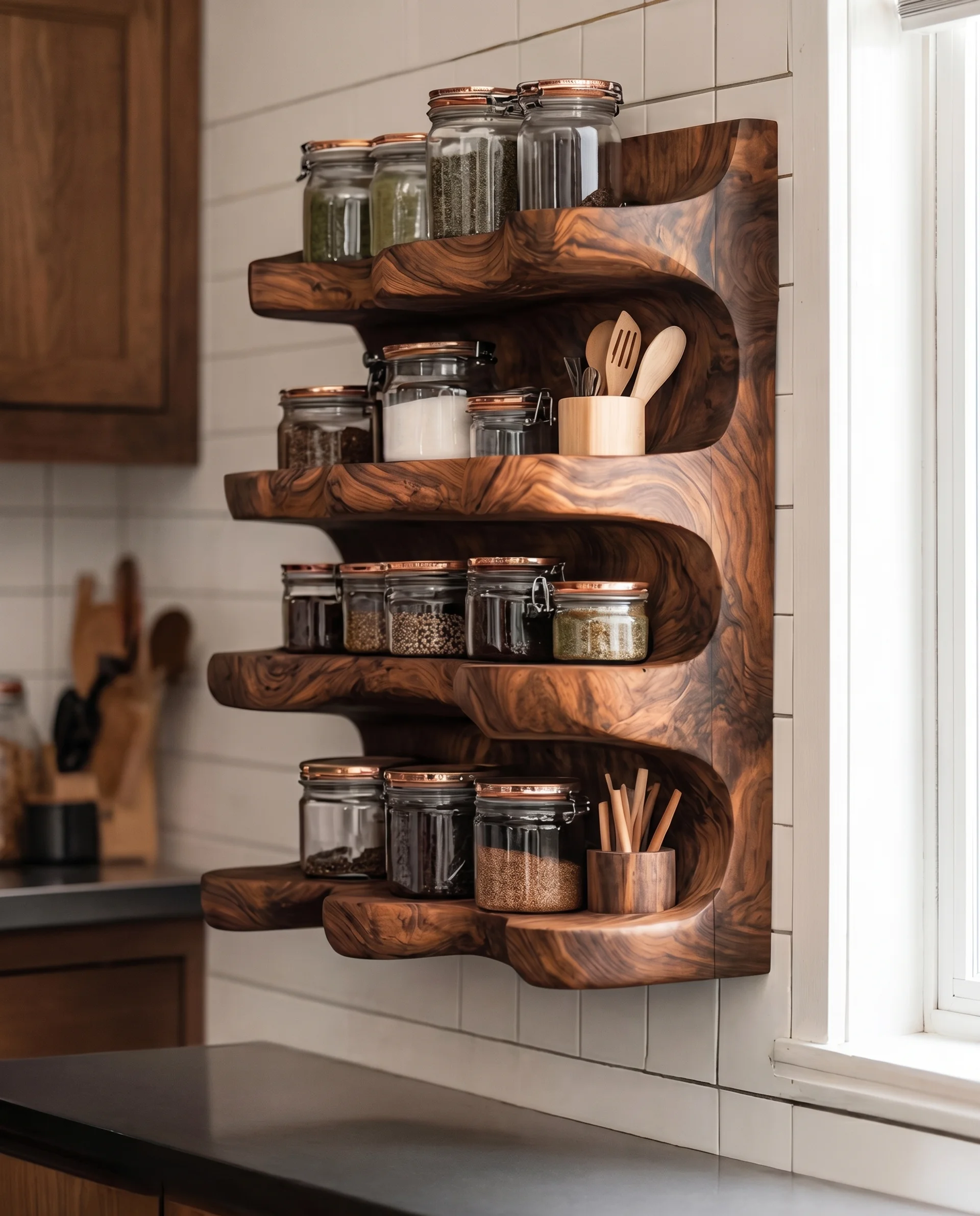
The body does not register any of this acutely. There is no immediate symptom. The exposure is small, daily, lifelong, and stacks. The kitchens that quietly avoid all four are the ones built from materials that pre-date this entire problem. Copper, cast iron, stainless steel, ceramic, glass, and wood. Things human beings have been cooking in, drinking from, and storing food in for thousands of years. They are simple, durable, and safe in ways that no synthetic material has yet matched.
A simple way to see what your kitchen is doing every day
Forever chemicals from non-stick coatings, stain-resistant finishes, and grease-resistant food packaging. Found in 97 percent of Americans tested by the CDC. Linked to liver, hormone, and immune effects.
Particles shed from plastic spatulas, cutting boards, electric kettles, food storage, and takeout containers. Estimated 50,000 to 100,000 ingested per person per year. Found in blood, lungs, and brain tissue.
Aluminum from cheap pans and foil, especially with acidic foods. Lead from imported ceramic glazes, decorative crystal, and unlined antique copper. Both accumulate in the body over time.
The math is simple and the math is brutal. Every meal is an opportunity for one of these to land in the body, or not. Doing it right does not cost more than doing it wrong, especially over the lifetime of a real cast iron skillet or a piece of stainless cookware that will outlive your grandchildren. A non-toxic kitchen is not a luxury. It is a one-time decision to use materials that work.
The kitchens that quietly avoid all four are the ones built from materials that pre-date the entire problem.
Glass, copper, cast iron, ceramic, and wood. The whole rebuild fits inside these five words.
A non-toxic kitchen sounds complicated. It is not. The whole framework is five materials, and every one of them is something humans have used for cooking for at least a thousand years. None of them require an instruction manual. None of them require a chemistry degree to evaluate. They are simply what kitchens were made of before plastic and synthetic coatings showed up.
Glass is inert. It does not react with food. It does not leach. It is endlessly recyclable. A glass jar, a glass French press, a glass water dispenser, a glass food storage container: all of them outlast any plastic equivalent and ask nothing in return.
Copper is naturally antimicrobial. Studies at clinical hospitals have repeatedly shown copper surfaces kill bacteria and viruses on contact within hours. For cookware, copper is paired with a stainless or tin lining to prevent the copper from contacting acidic foods directly. For tea kettles, water dispensers, and salt and pepper shakers, the copper itself is the feature.
Cast iron is non-stick the old-fashioned way. Polymerized oils, baked in over time, create a glossy, slick surface that releases food without releasing chemistry. A well-seasoned cast iron skillet outperforms most non-stick pans, gets better the longer you use it, and is one of the only pans on earth designed to be inherited.
Ceramic and stoneware (real, lead-free, food-safe ceramic, not the imported decorative kind) is inert, holds heat beautifully, and turns ordinary food into something that looks like it came out of a country inn. Le Creuset’s enameled cast iron is the gold standard.
Wood is naturally antibacterial in ways plastic is not. Studies have shown that bacteria placed on wooden cutting boards die off, while bacteria on plastic boards survive. Wood gets better with use. It also makes the kitchen feel like an actual room people live in, instead of a sterile lab.
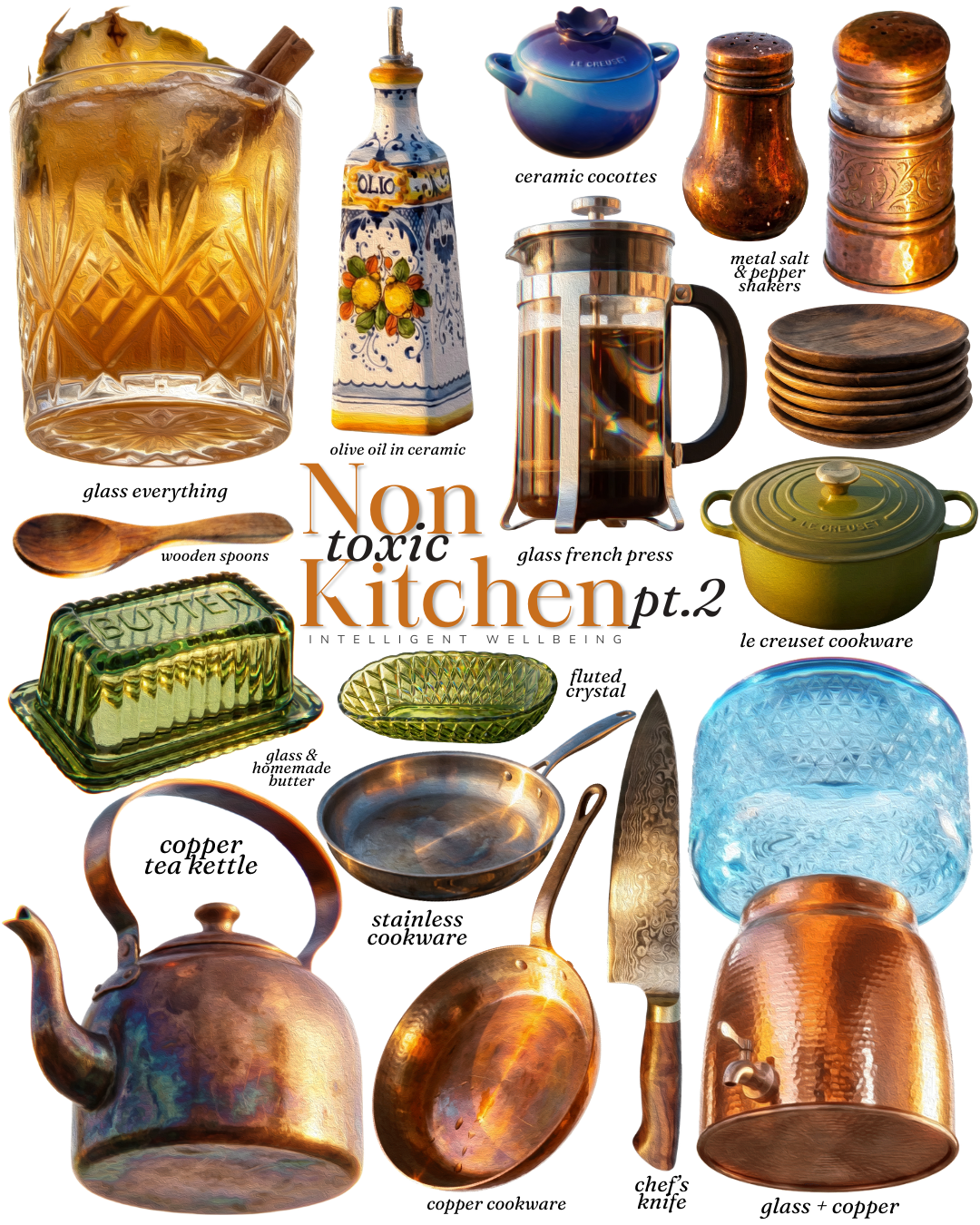
Glass, copper, cast iron, ceramic, and wood. The whole rebuild fits inside these five words.
Four pans, one dutch oven, and a kettle. That is the whole stovetop.
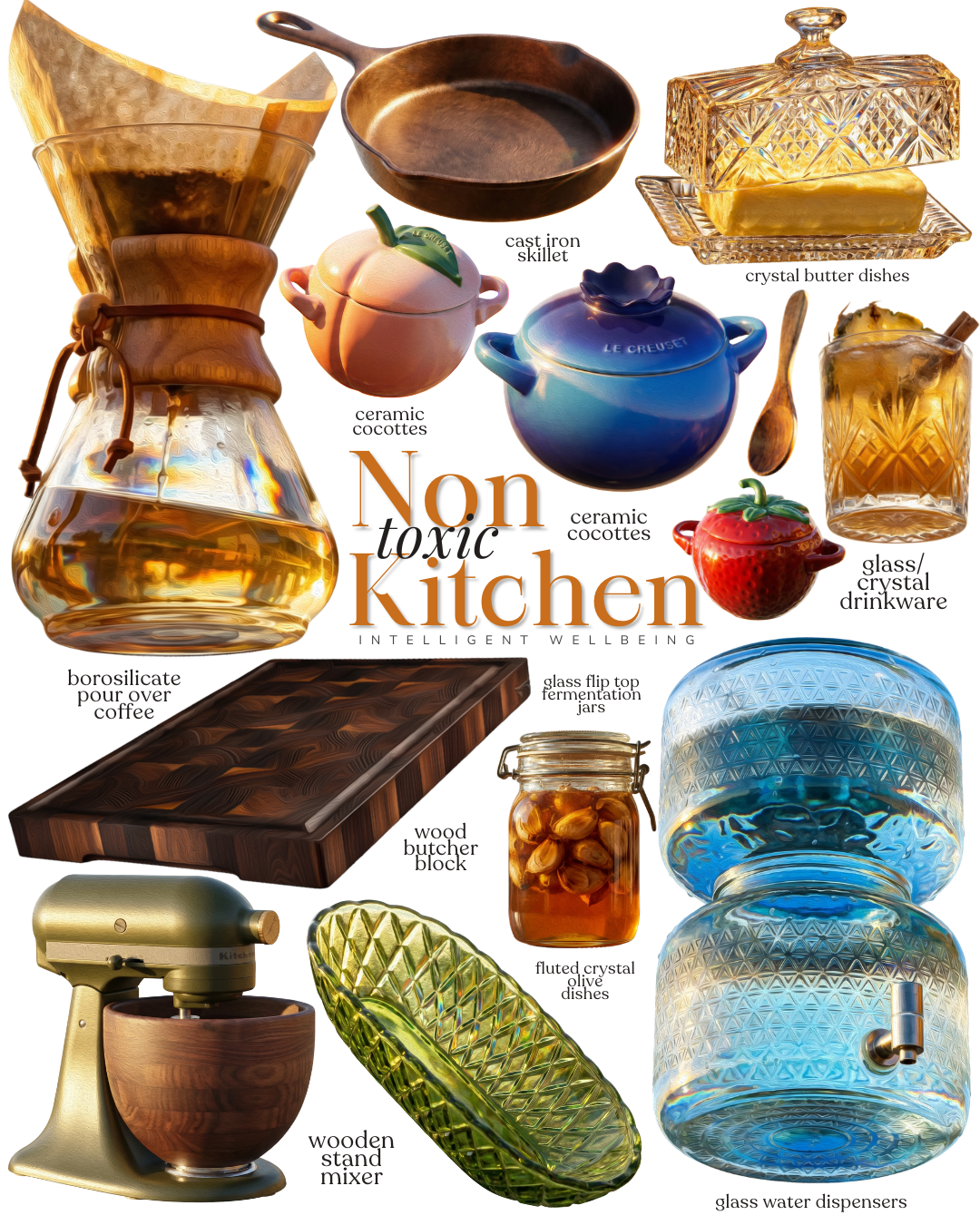
A complete non-toxic cookware lineup is shorter than people expect. A cast iron skillet for searing and roasting, a stainless skillet for delicate cooking, a copper or stainless saucepan for sauces and grains, an enameled cast iron dutch oven for braising and bread, and a tea kettle that is not made of plastic. That is the working kitchen. Anything else is a luxury.
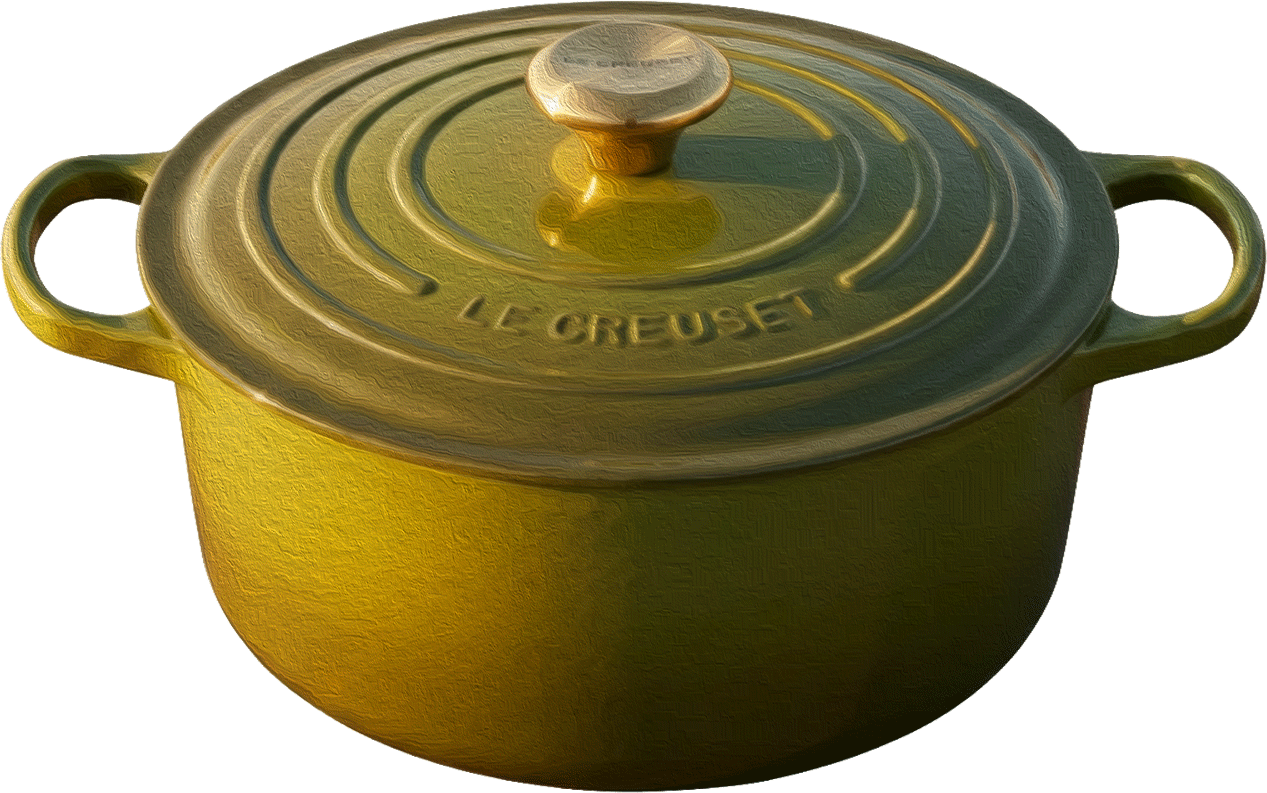
Le Creuset Signature Round Dutch Oven
Enameled cast iron. The single most useful pot in any kitchen. Braises, soups, roasts, no-knead bread, slow stews. The enamel is lead and cadmium free, the cast iron lasts forever, and the colors are basically a piece of furniture for the stove.
Shop the dutch oven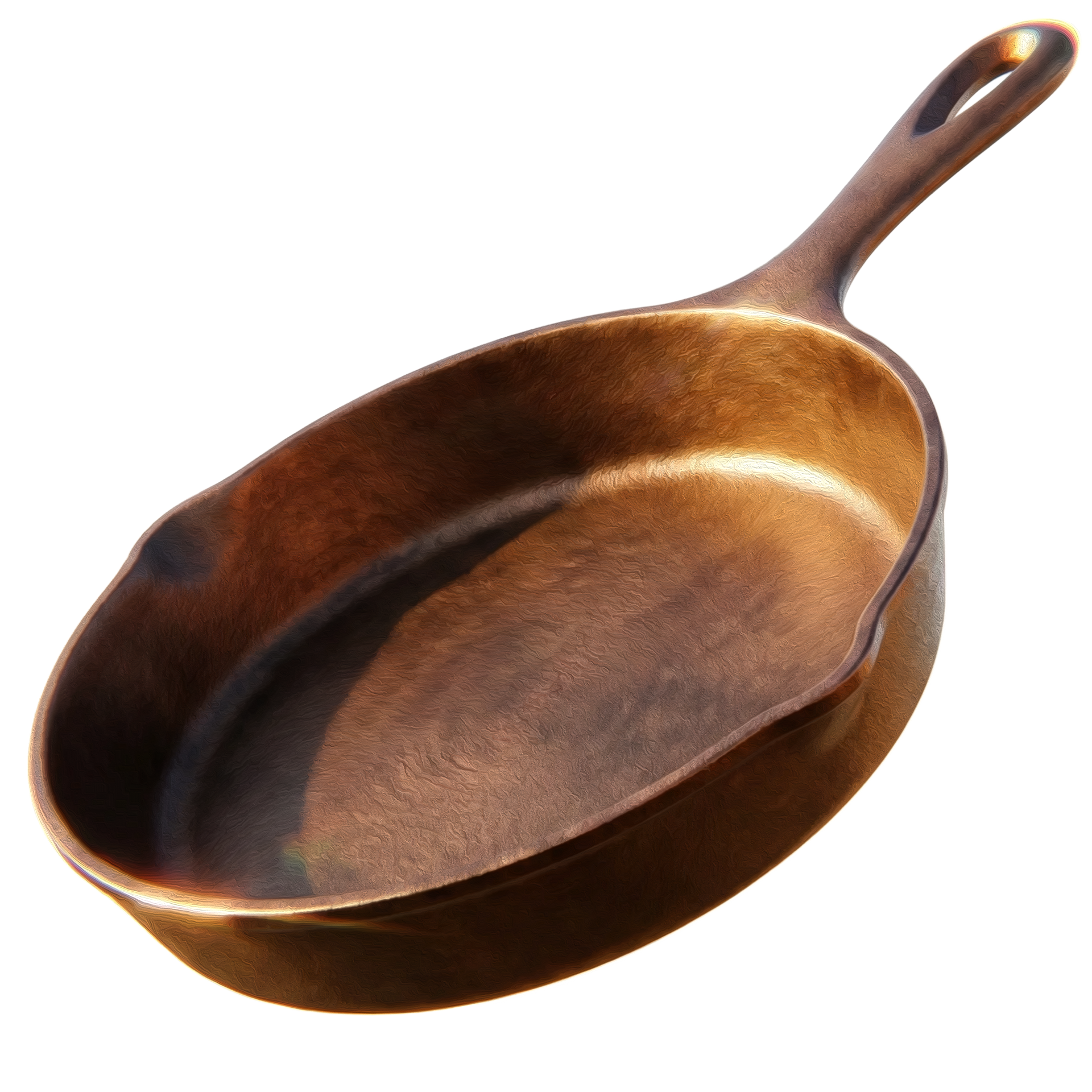
Pre-Seasoned Cast Iron Skillet
The pan most non-stick coatings were invented to imitate. A cast iron skillet seasons itself with use, gets darker and slicker over years, and handles everything from eggs to a steak to cornbread. One pan. No chemistry. Outlives you.
Shop the skillet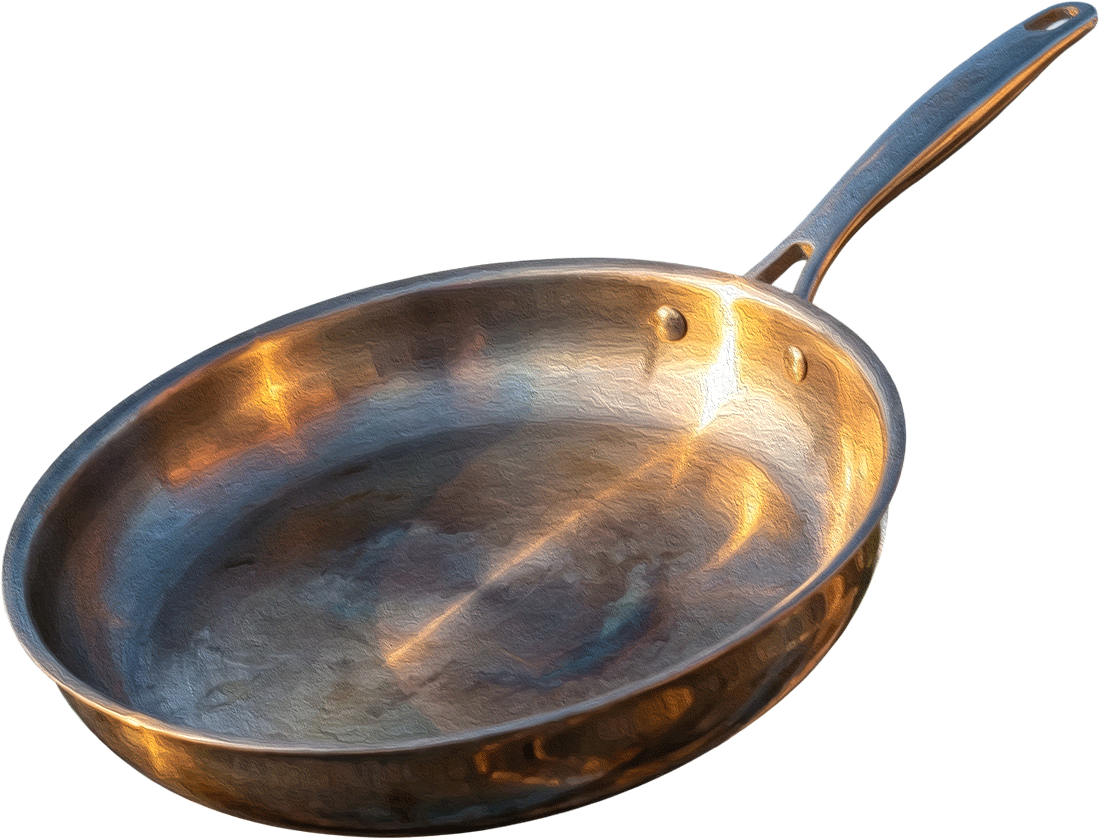
Caraway Stainless Steel Cookware
For acidic dishes, sauces, and anything that needs a little more finesse than cast iron offers. Stainless steel is inert, dishwasher safe, and built to last decades. Caraway’s stainless line is non-toxic from the surface down to the rivets.
Shop the stainless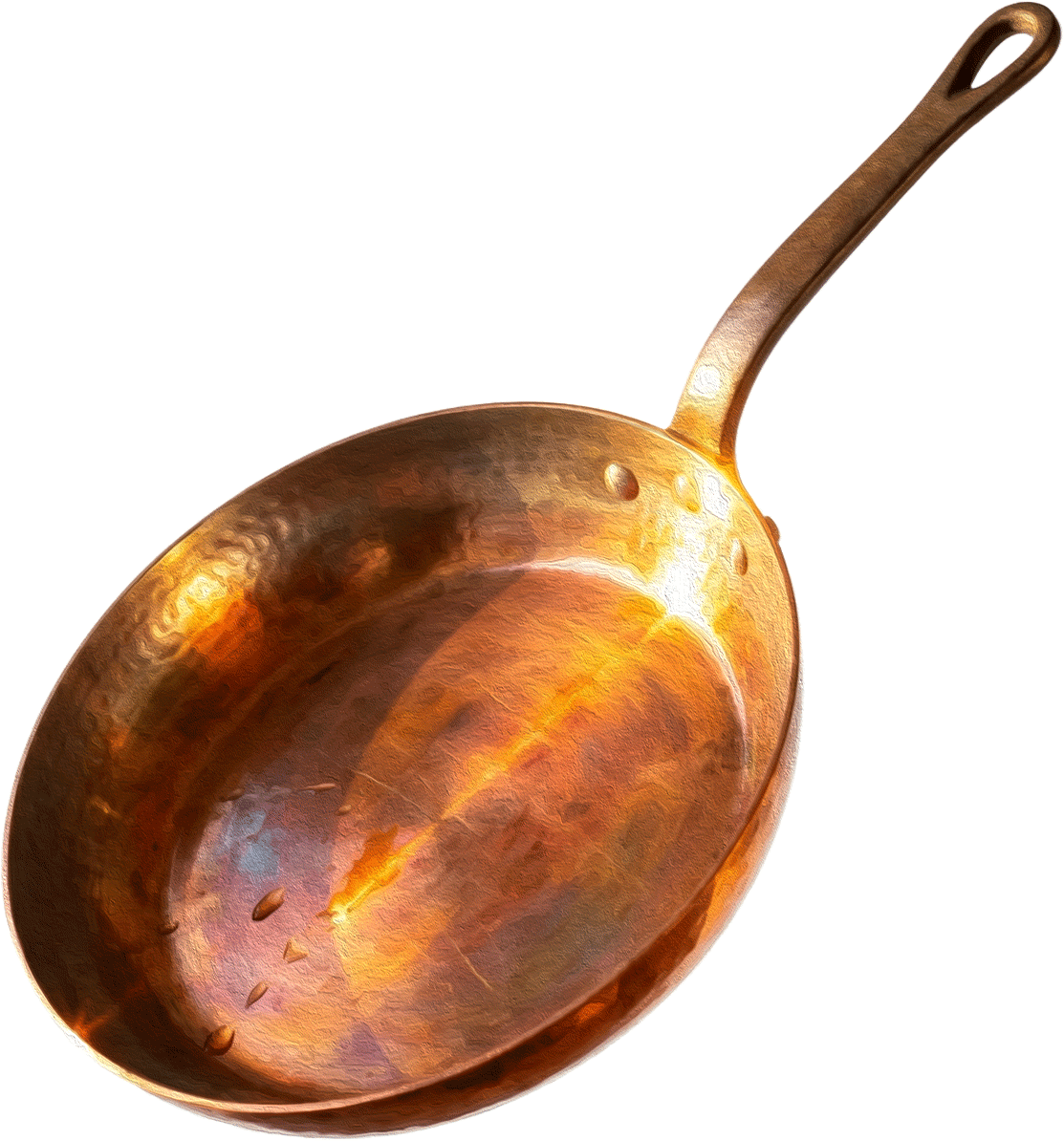
Williams-Sonoma Copper Cookware
Lined copper is the most responsive cookware on earth. It heats and cools faster than any other metal, which is why professional kitchens still hang it on the wall. Williams-Sonoma’s tin-lined copper is the safe, classic version of the showpiece pan.
Shop the copper line
Hammered Copper Tea Kettle
A copper kettle on a stovetop is, in one move, the answer to two problems: the plastic interior of every electric kettle, and a stovetop that needs something beautiful living on it. Heats fast, looks like an heirloom from day one.
Shop the kettle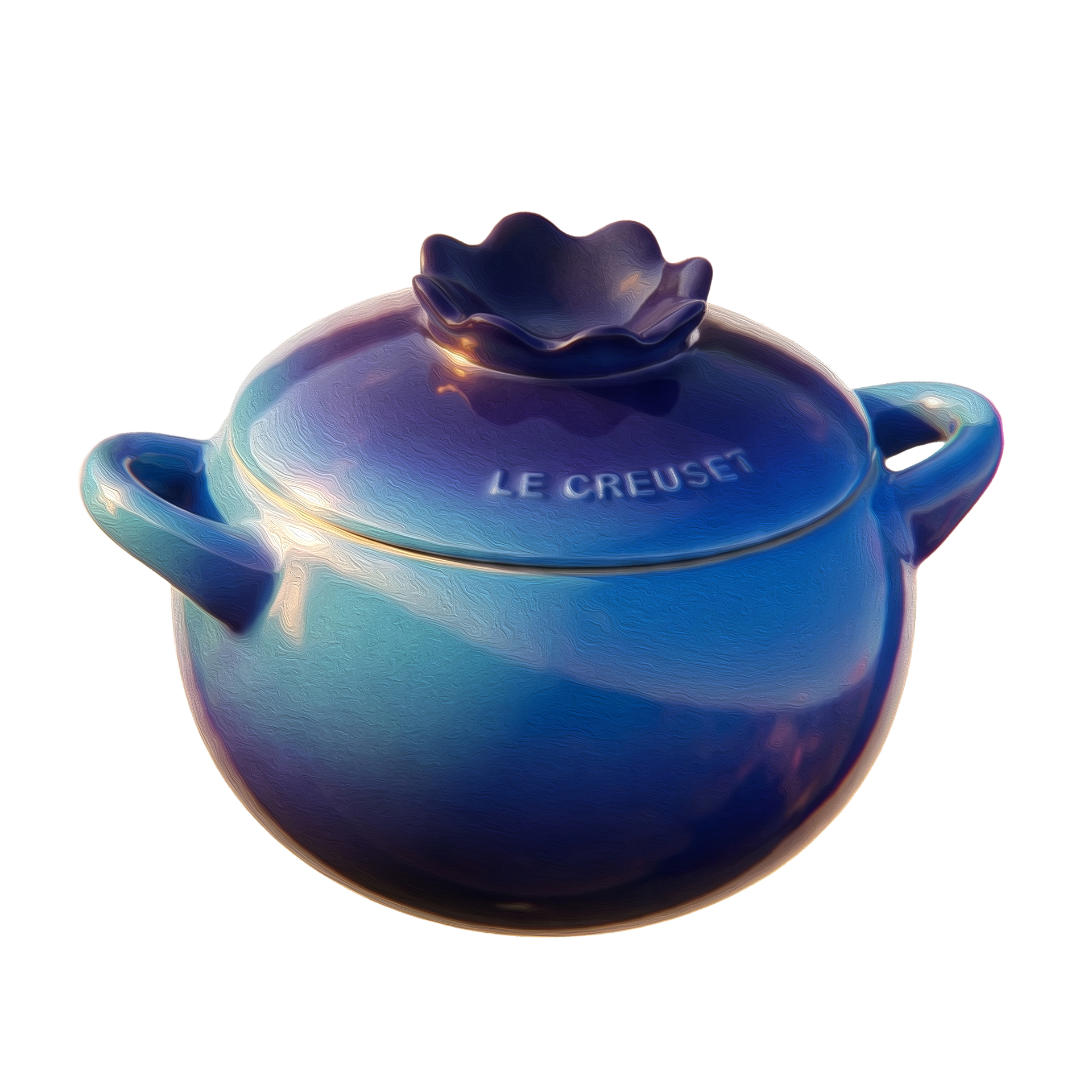
Le Creuset Blueberry Cocotte
Single-serving enameled stoneware shaped like the fruit it was made for. Holds a small portion of cobbler, soup, baked eggs, or a little dessert with the kind of presence no plastic ramekin will ever have. Pure non-toxic charm.
Shop the cocotteA real knife, a real board, real spoons. Tools the hand was made to hold.
A surprising amount of kitchen plastic is hiding in places nobody looks. The black plastic spatula in the utensil crock. The flimsy plastic cutting board on the counter. The plastic mixer bowl that came with a cheap stand mixer. Each one of these touches food for years, gets scratched, gets heated, and quietly contributes to the household microplastic count. Each one has an obvious wooden, stainless, or ceramic equivalent that does the job better and does not flake into dinner.
A real chef’s knife is the place to start. A high-carbon stainless steel blade with a wooden handle is, full stop, one of the best feeling tools a person ever owns. It cuts cleanly, it sharpens beautifully, and it is the kind of object that, with care, gets passed down. Plastic-handled knives go dull in a year and crack in three. The right knife works for thirty.
A wooden butcher block is the next obvious upgrade. Wood actually kills bacteria that survive on plastic boards. The grain absorbs and immobilizes microbes the way plastic cannot. Plus, an end-grain butcher block is one of the most beautiful objects in any kitchen, and it self-heals against knife marks the way no plastic surface ever will.
Wooden spoons are the smallest, cheapest, most overlooked upgrade in the entire kitchen. They cost less than the plastic version. They feel better in the hand. They do not melt against a hot pan. They do not introduce a single microplastic to the food they are stirring. There is no good argument for plastic spoons in any kitchen anywhere.
A KitchenAid with a wooden bowl is the dream tool that finishes the look. The stand mixer the rest of the world has been using for fifty years, fitted with a walnut bowl that turns the whole machine into something between an appliance and a piece of furniture.
And the soap next to every sink. Most people never think about it. The body wash or hand soap that sits by the kitchen faucet gets used dozens of times a day, on the hands that handle food, on the skin that absorbs what it touches. A grass-fed tallow bar soap made with real ingredients is the obvious choice here. No surfactant cocktail of synthetic detergents. No fragrance from a lab. Animal fat and botanicals, doing what soap has always done.
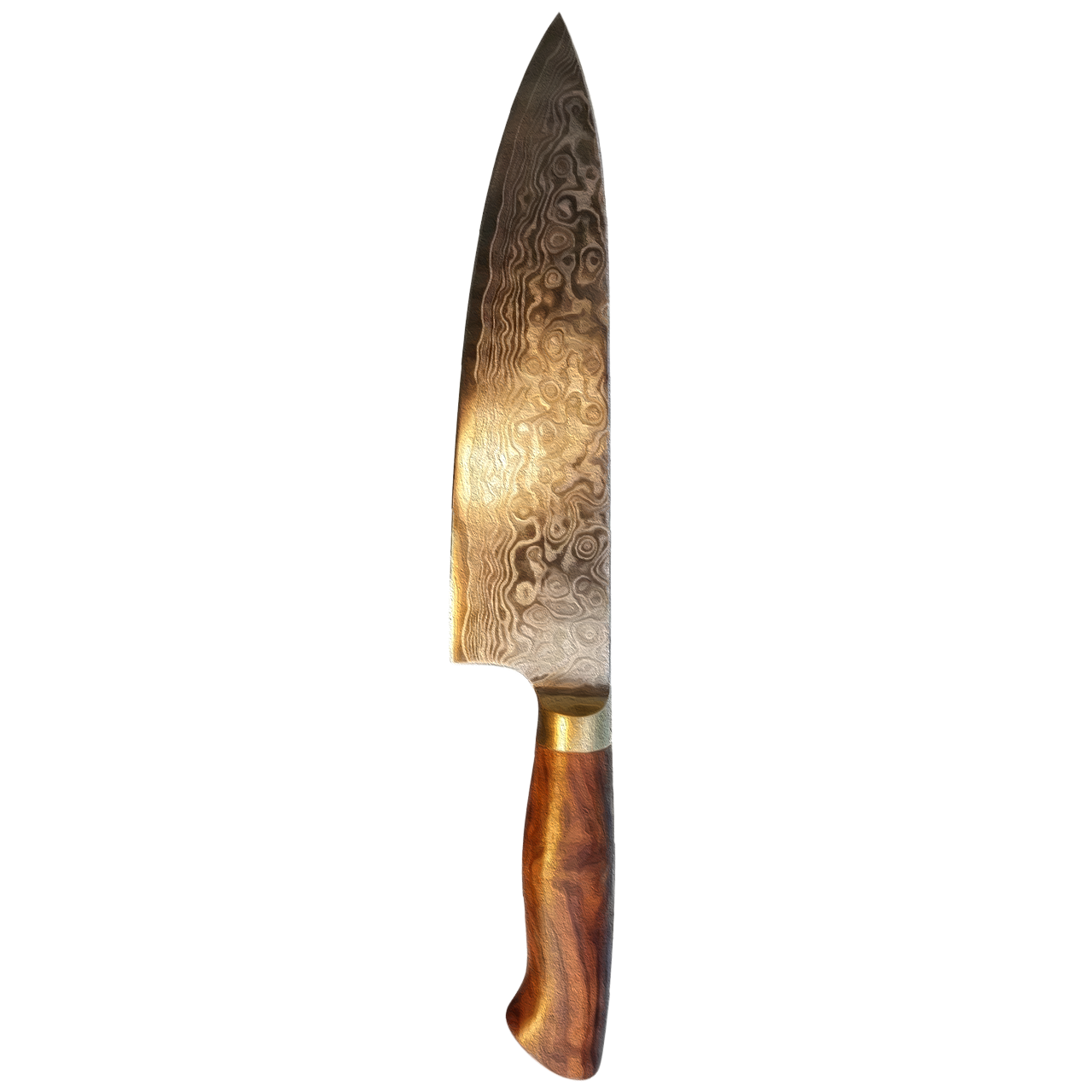
Japanese Damascus Chef’s Knife
High-carbon stainless steel, Damascus pattern, real wooden handle. Sharper, lighter, and more balanced than any plastic-handled supermarket knife. The kind of tool that earns daily use and gets handed down.
Shop the knife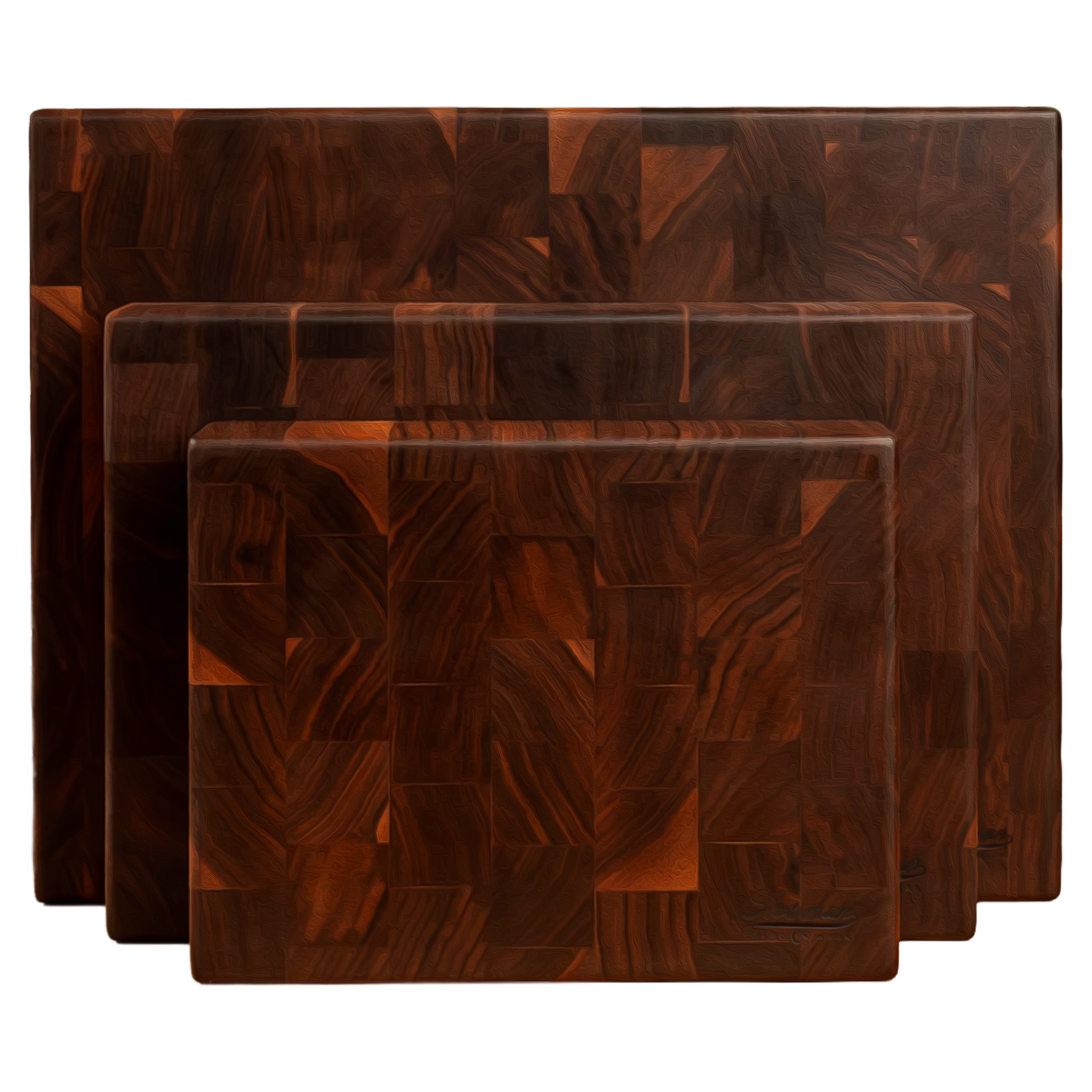
End-Grain Wood Butcher Block
End-grain construction means knife marks close back into themselves instead of accumulating. The wood is naturally antibacterial, kind on knife edges, and ages beautifully with mineral oil and time. A counter centerpiece in its own right.
Shop the butcher block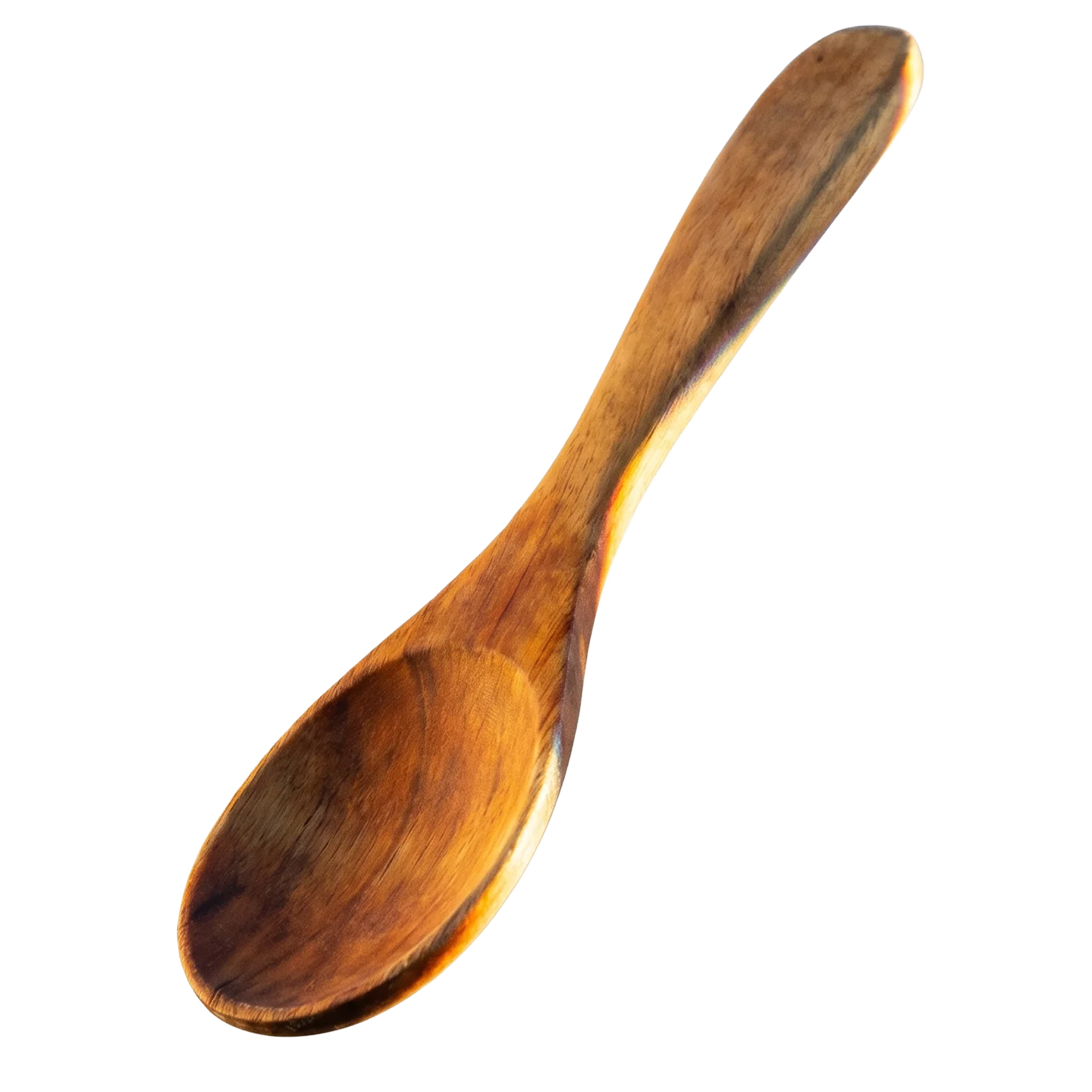
Wooden Cooking Spoons
The single easiest swap in the kitchen. Cheaper than the plastic version. Better feeling than the plastic version. Will not melt, scratch a pan, or shed microplastics into a hot sauce. Replace every black plastic spatula in the drawer with one of these.
Shop the spoons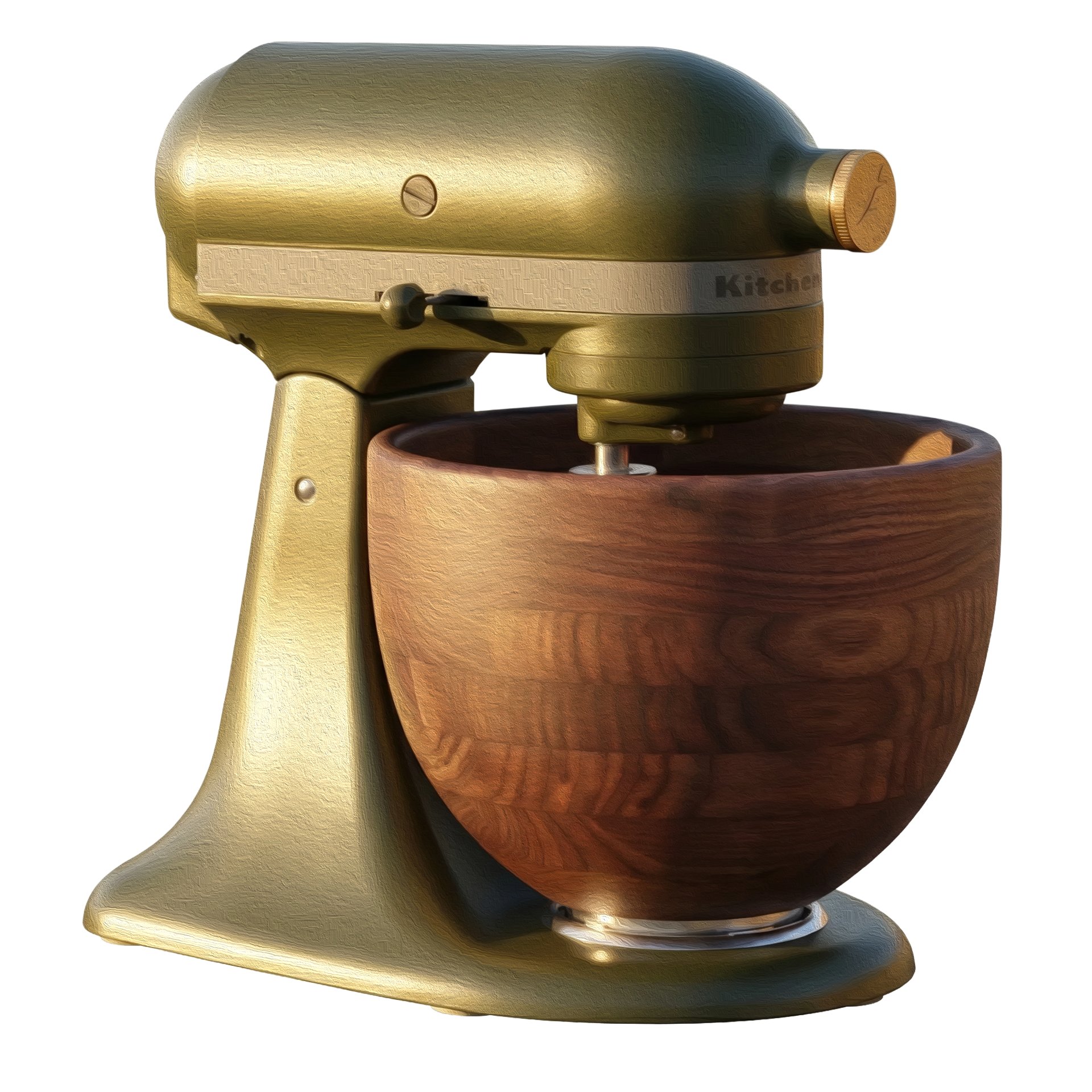
KitchenAid Design Series in Evergreen
The famous green KitchenAid, paired with a walnut wooden bowl. The mixer the rest of the world has trusted for fifty years, in a finish that earns a permanent spot on the counter instead of a closet.
Shop the stand mixer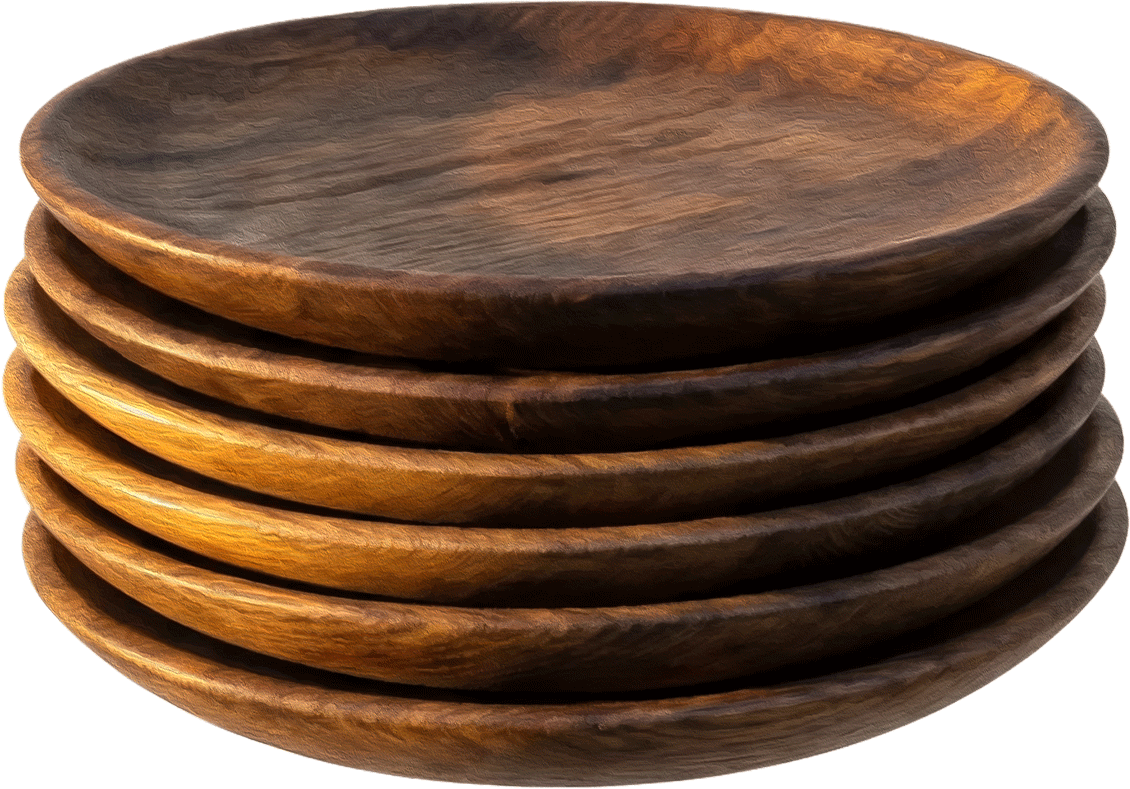
Wooden Plates
Lightweight, near unbreakable, and instantly transforms any meal into something that looks like it was served in a quiet restaurant. A great everyday alternative to thin ceramic plates and a beautiful pairing with cast iron and copper.
Shop the plates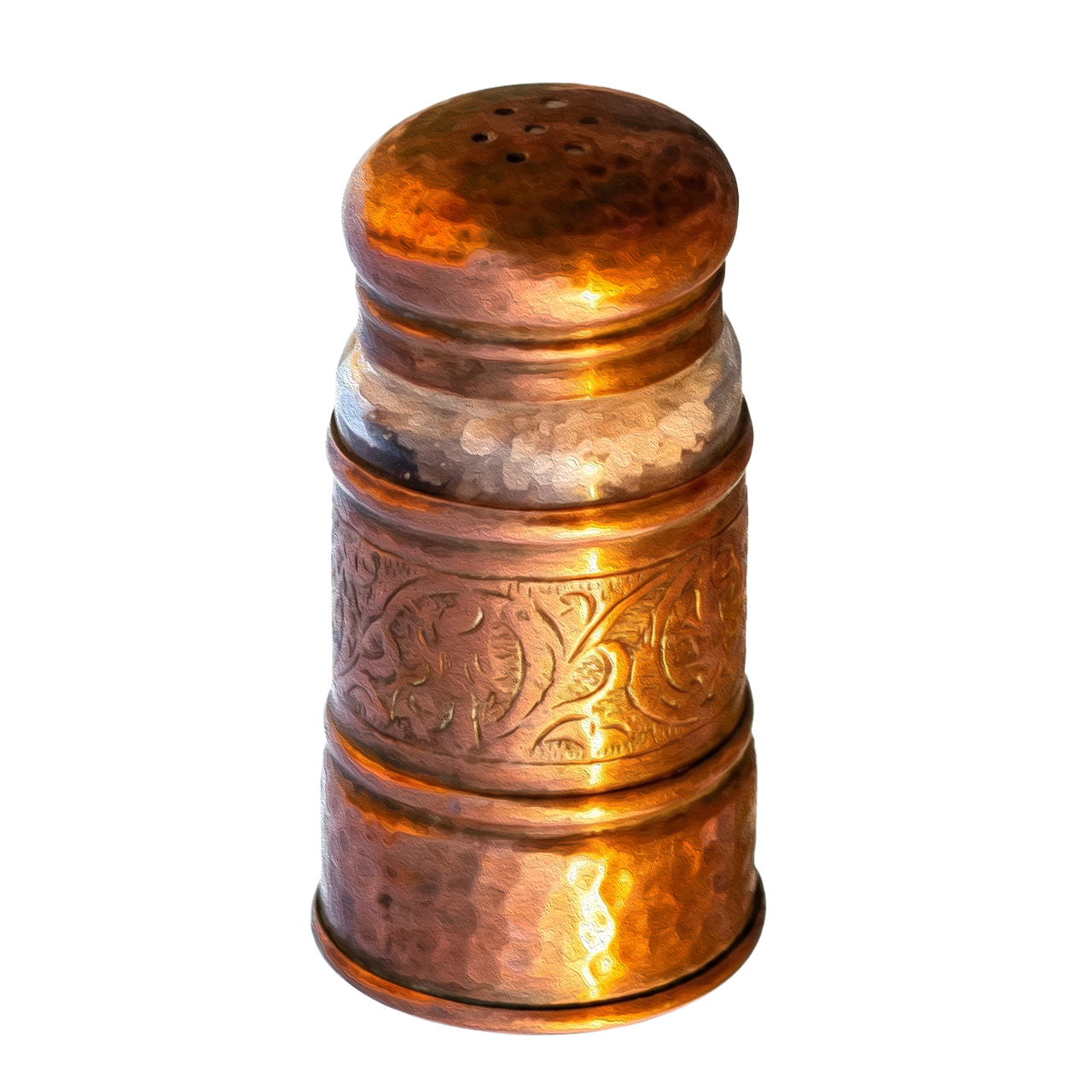
Hammered Copper Salt Shaker
Naturally antimicrobial, beautifully patinated, and infinitely better looking than the plastic shaker hiding in a cabinet. The kind of detail that pulls a whole table together.
Shop the shakers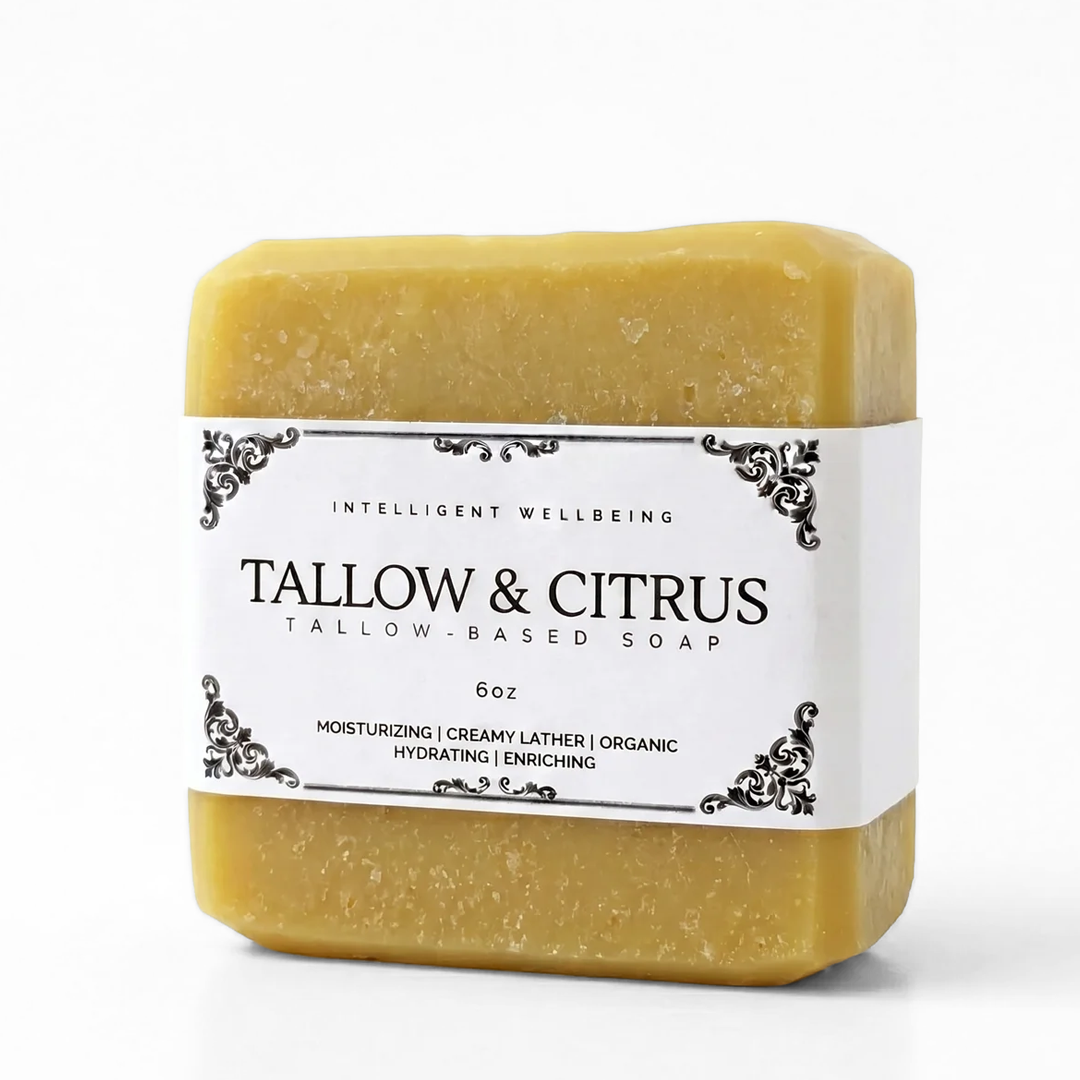
Grass-Fed Natural Bar Soap
Made from grass-fed tallow and real botanicals. No synthetic surfactants, no fragrance cocktails, no petroleum derivatives. The fat structure of tallow is remarkably close to human skin, which is why it cleans without stripping. Sits at every sink in a non-toxic kitchen.
Shop the bar soapThere is no good argument for plastic spoons in any kitchen anywhere.
If it touches water for hours, it should not be plastic. Glass, stainless, and copper, every time.
Water sitting in plastic, even high-quality plastic, slowly takes on the chemistry of its container. The leaching is small. The exposure is constant. Every glass of water, every coffee, every drink poured for a kid is a small, repeated trade. The non-toxic kitchen rebuilds this category first, because water is the thing the body uses most.
A glass French press makes coffee in a vessel that is fully inert. No plastic basket, no plastic seal, no rubber gasket leaching anything into a hot drink. A borosilicate Chemex is the same idea: a single piece of glass, a wooden collar, a leather tie. The pour-over the third-wave coffee world settled on, partly because it is the most beautiful brewer ever made and partly because it does not contribute anything to the cup beyond the water and the coffee.
Water dispensers are the bigger play. A glass jug paired with a copper crock is, in a single object, the answer to plastic water bottles, plastic Brita pitchers, and plastic-bottomed coolers. Alive Water makes the gorgeous tall glass jugs. The hammered copper crock with the brass spigot is what turns water storage into a piece of furniture. Water poured from a copper vessel also picks up trace amounts of copper, which has been used in Ayurvedic tradition for thousands of years and confirmed by modern studies to have antimicrobial properties.
Cut crystal drinkware does the same thing as the Chemex. It is glass, beautiful, fully inert, and turns the simple act of pouring something into a small, daily ritual. A glass butter dish keeps homemade butter cold and lovely on the counter, away from any plastic wrap or plastic tub. A ceramic olive oil bottle protects the oil from light, which is one of the few ways everyday cooking oil actually goes bad before it should.

Glass & Stainless French Press
All glass and stainless steel. No plastic touching the coffee at any point. Heavy in the hand, beautiful on the counter, and exactly the kind of slow-morning object an aesthetic kitchen is built around.
Shop the French press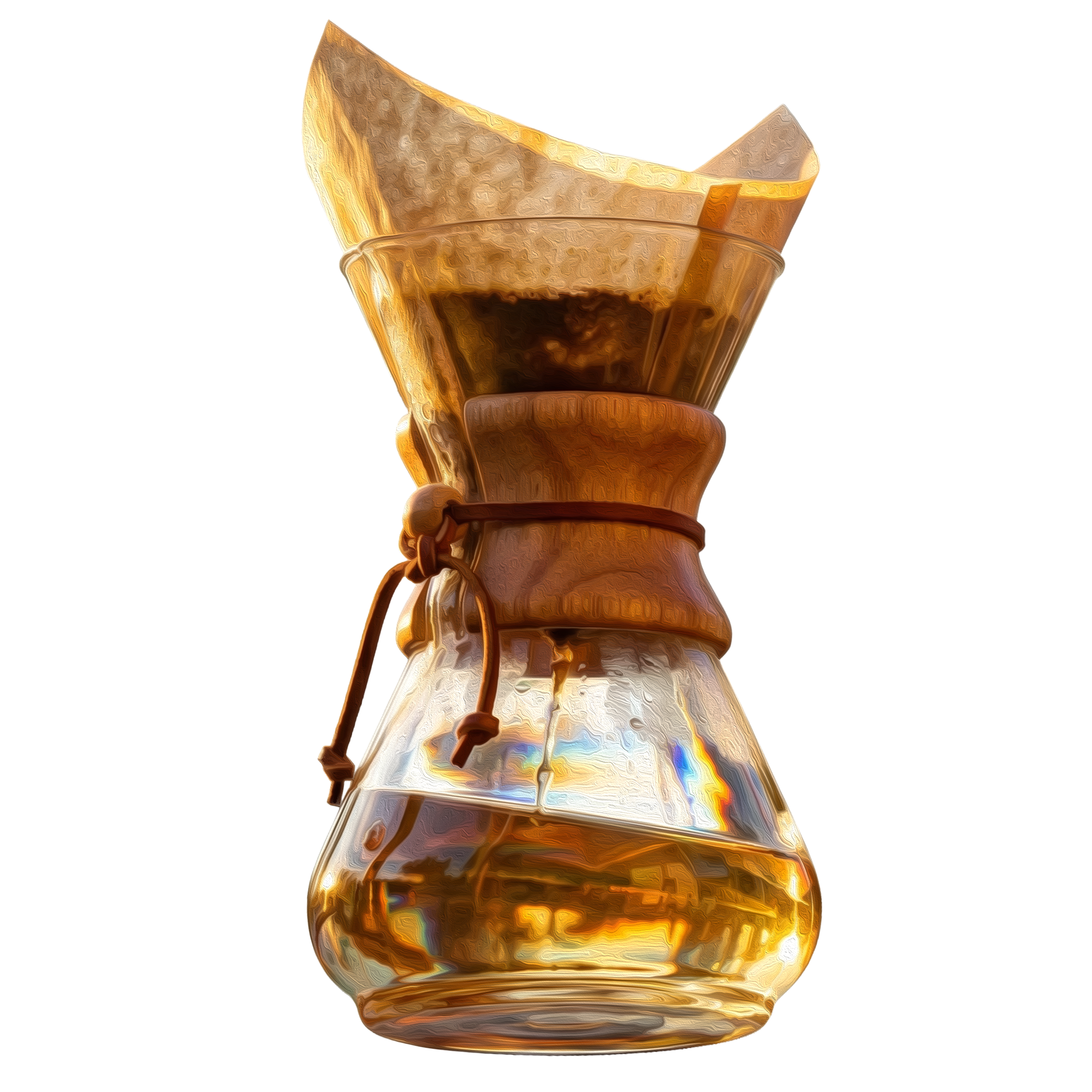
Chemex Pour-Over Coffee Maker
A single piece of borosilicate glass, a wooden collar, and a leather tie. Designed in 1941 and still the most beautiful coffee brewer ever made. No plastic, no rubber, no electric base. Just water, coffee, and glass.
Shop the Chemex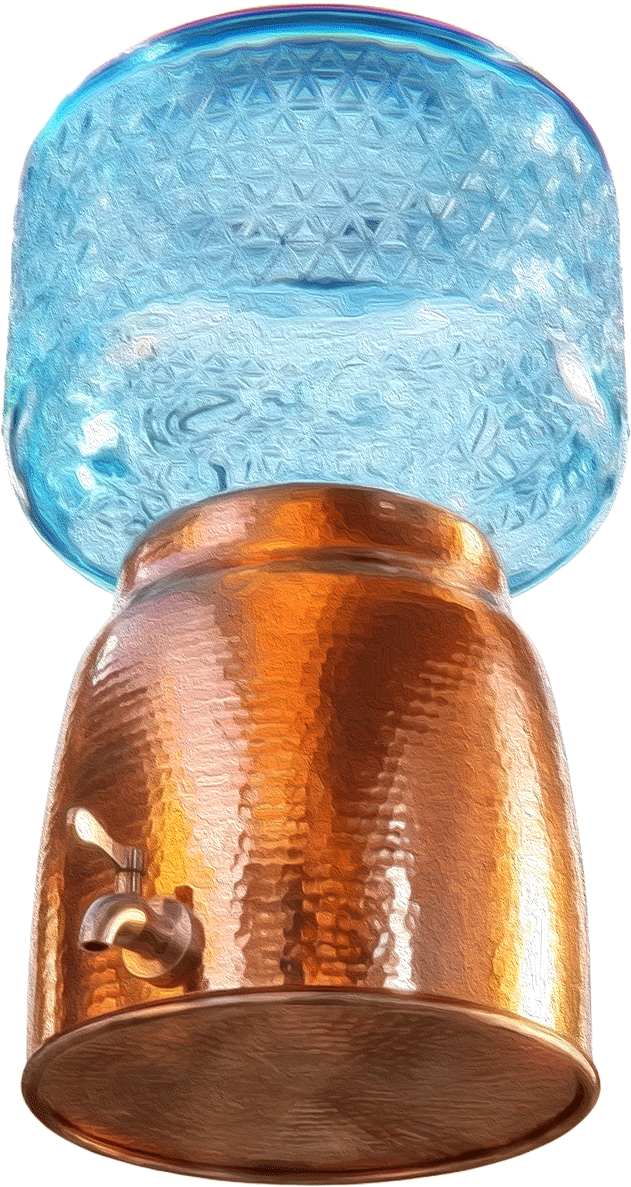
Alive Water Jug + Copper Crock
A glass water jug from Alive Water, paired with a hammered copper crock and a brass spigot. The whole household water situation, rebuilt without a single plastic component, and arguably the most beautiful object on this entire list.
Shop the copper crock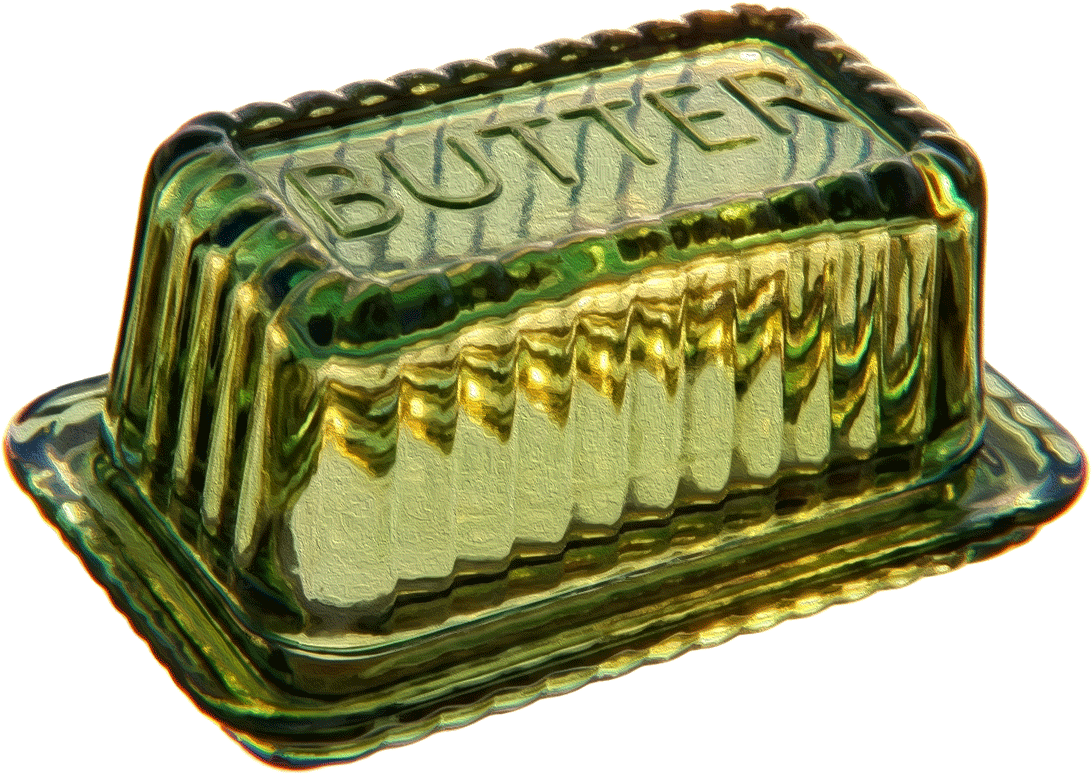
Green Glass Butter Dish
For homemade butter, room-temperature good butter, or simply the most beautiful way to store a stick on the counter. Glass keeps the butter clean, the dish keeps the butter sealed, and nothing plastic ever touches the dairy fat.
Shop the butter dish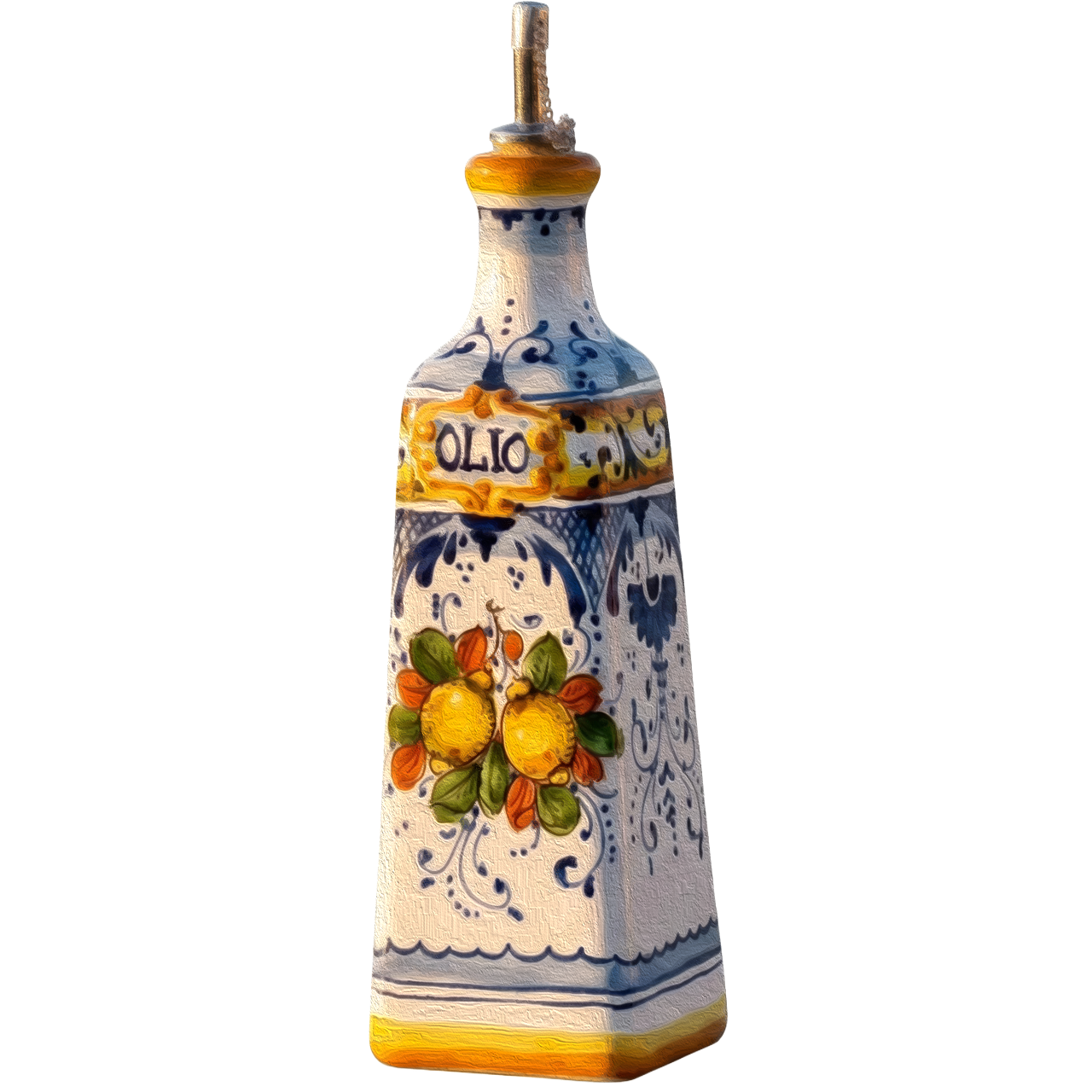
Hand-Painted Ceramic Olive Oil Bottle
Olive oil oxidizes in light and warmth. A ceramic bottle protects it the way the original Mediterranean families did, and looks like a piece of pottery a person would actually want sitting next to the stove.
Shop the bottleIf it touches water for hours, it should not be plastic. Glass and copper, every time.
The dish soap trend blowing up right now is not a trend. It is a return to what dish soap used to be.
There is a quiet shift happening at kitchen sinks across the country right now, and it is moving fast. People are ditching the plastic bottle of Dawn, the pump-top dish detergent that has been a fixture under every sink for fifty years, and replacing it with a solid soap block. A cube. Something that looks like it belongs on the counter next to a cast iron skillet instead of hidden under it. The reasons are piling up, and none of them are minor.
Dawn and its category equivalents are surfactant chemistry wrapped in plastic, designed for stripping grease from industrial equipment before food-safety consultants decided it was fine for home kitchens. The primary active ingredient in most commercial dish detergents, sodium lauryl sulfate and its derivatives, is the same chemical used in engine degreasers. It strips everything. The grease off your pan, yes, but also the natural oils from your hands, and whatever trace amounts it leaves on dishes and glassware after rinsing. The rinsing, it turns out, is rarely as complete as the bottle implies.
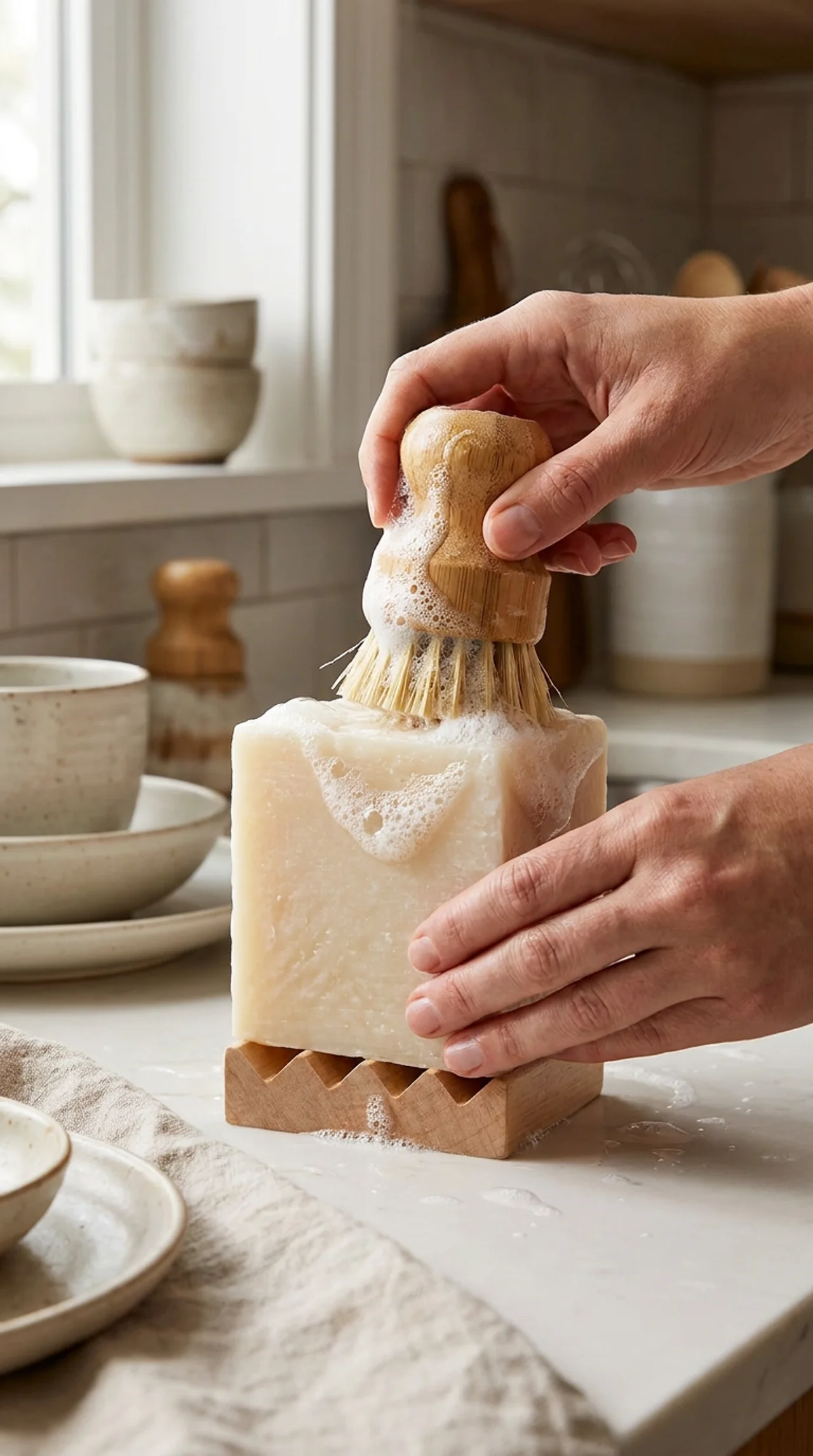
A solid dish soap block made from saponified plant oils works through a completely different mechanism. Traditional cold-process soap cleans through real saponification chemistry, the same process that has cleaned dishes and hands for thousands of years, without synthetic surfactants, without petrochemicals, and without a plastic bottle to throw away every few weeks. It works just as well on grease. It does not leave a film. It does not require gloves to avoid skin irritation. And paired with a bamboo dish brush, the whole system replaces two plastic objects at the sink in a single move.
The rise in interest is real and measurable. Google searches for solid dish soap and dish soap bar have grown substantially year over year, driven by people who already made the switch to bar shampoo, bar hand soap, and package-free personal care and are now applying the same logic to the kitchen. The aesthetic side follows naturally. A handmade soap block on an alder wood soap saver stand looks like it belongs in the same kitchen as a copper kettle and a cast iron skillet. A plastic Dawn bottle never did.
Liquid dish soap is roughly 70 percent water, stabilizers, and preservatives. The surfactant concentration is lower than it appears, which is why the bottle encourages generous squeezing. A solid bar is concentrated, water-free, and active from the first use to the last. It lasts longer per ounce, costs less per wash when calculated honestly, and does not require a plastic delivery mechanism. It also does not develop the bacterial growth that can accumulate inside liquid soap pump dispensers over time.
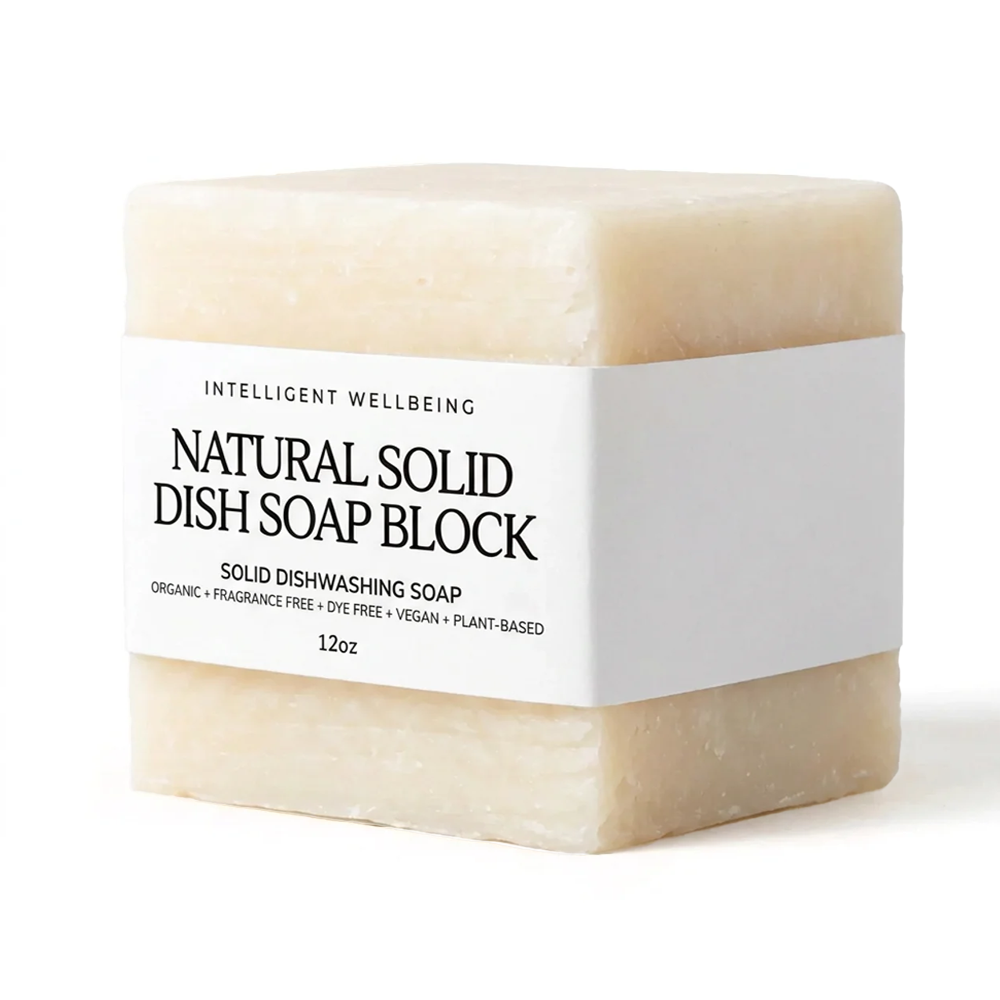
Natural Solid Dish Soap Block
12 oz of concentrated, saponified soap with no synthetic surfactants, no plastic bottle, and no petroleum derivatives. Wet the bamboo brush, rub it across the block, and wash. Cuts grease. Does not strip hands. Sits on an alder wood soap saver stand between uses and lasts weeks. The Dawn replacement this kitchen has been waiting for.
Shop the dish block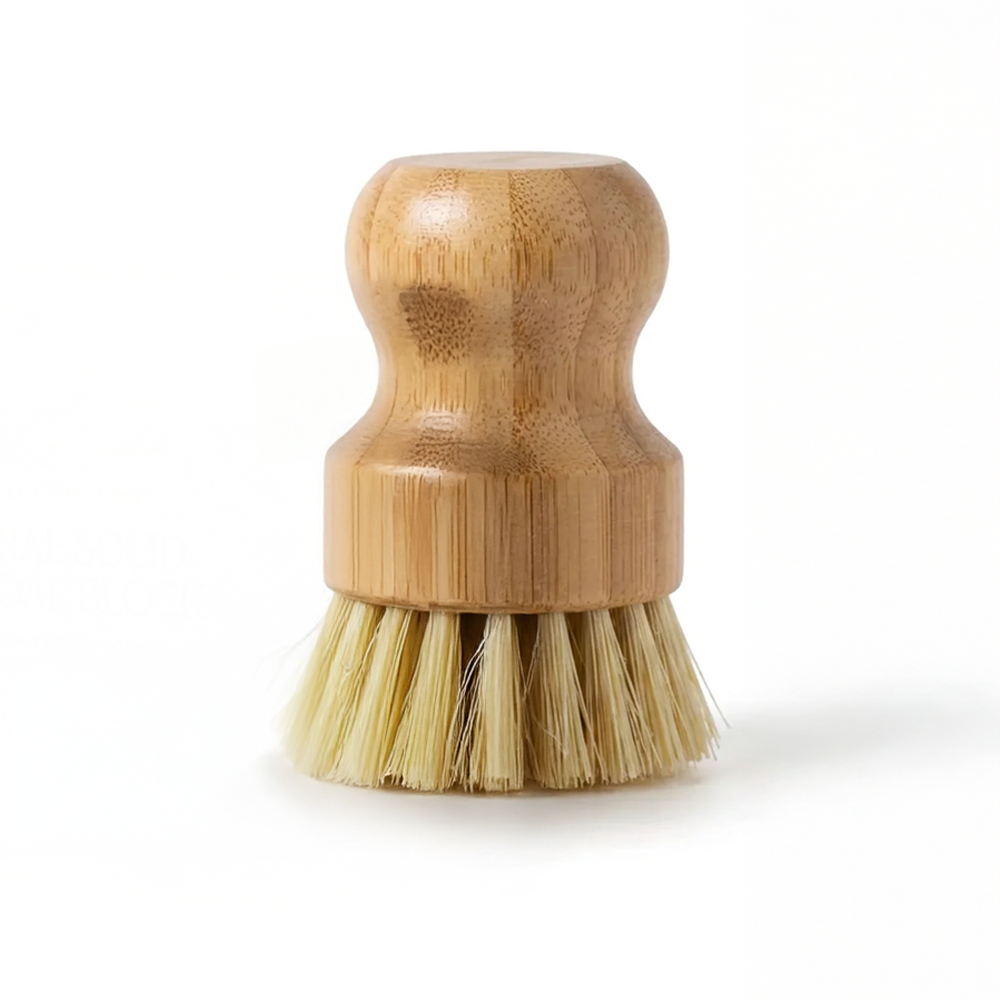
Bamboo Dish Brush
Bamboo handle, natural bristles, no plastic. Designed to be used directly with the dish soap block. The handle stays dry while the bristles do the work, which means no soggy plastic grip sitting in a puddle of standing water. Biodegradable from handle to bristle tip. The only rational companion to the dish block.
Shop the bamboo brushThe solid dish soap block is not a novelty. It is what dish soap looked like before petroleum chemistry took over the sink.
A non-toxic kitchen is built on five small swaps, not a renovation.
Nobody needs to throw out their entire kitchen tonight. The rebuild is gentler than that. It is a slow, deliberate replacement of the worst offenders, in the order that gives the biggest return for the smallest effort. The kitchen gets prettier with every swap, and the household exposure drops with every swap. Both at once.
A few rules of thumb make this easier. Replace the things that touch food with heat first. Anything plastic that goes near a hot pan is the highest priority. Then replace the things that touch food and water for long stretches. Then replace the daily-use objects that show. The aesthetic side and the safety side both reward this exact order.
The other rule is to buy the good thing once. A real cast iron skillet is forty dollars and lasts a hundred years. A piece of stainless cookware is a hundred dollars and outlasts five of the cheap ones. A wooden butcher block is a one-time purchase. A copper kettle is too. The non-toxic kitchen ends up cheaper in the long run, by a wide margin, even though each individual purchase looks more expensive at the moment of swap.
Where to start, in order, this week
If only five things get changed, change these. In this order. The household impact compounds quickly.
-
1
Swap every plastic spatula and spoon for wooden ones
The single biggest source of household microplastics in cooking is plastic utensils against a hot pan. A set of wooden cooking spoons costs less than the plastic version. This is the easiest swap in the entire kitchen and it removes more exposure than almost any other change.
-
2
Retire the non-stick pan, add a cast iron skillet
Every scratched non-stick pan is a small, daily PFAS leak. A pre-seasoned cast iron skillet is non-stick the old way, performs better the longer it is owned, and outlives every non-stick pan ever sold.
-
3
Replace the plastic cutting board with end-grain wood
Plastic boards develop microscopic cuts that hold bacteria and shed plastic into food. A real end-grain wooden butcher block is naturally antibacterial, easier on knives, and looks better on a counter than anything plastic ever could.
-
4
Switch to a stovetop kettle, ditch the electric one
Most electric kettles have plastic interior parts that get heated to a boil every morning. A copper tea kettle on the stove takes the same amount of time, looks like an heirloom from the first day, and is fully plastic-free.
-
5
Move all food and water storage into glass
Plastic food storage, plastic water bottles, and plastic Brita pitchers are constant low-grade exposure. Glass jars, a glass French press, and a glass-and-copper water dispenser solve the entire category at once. Once water and leftovers stop touching plastic, household exposure drops dramatically.
None of this needs to happen at once. Replace one thing per paycheck, or one thing per season, or one thing per Christmas list. The goal is not a renovation. The goal is a kitchen that, in two years, has quietly become the kitchen you used to scroll past on Pinterest, while also no longer leaching anything into the meals you make. Both happen on the same timeline. The aesthetic and the science are, again, the same project.